
 |
Sideline Sid Motoring correspondant www.sunlive.co.nz |
Grey Nomads describes the myriad of Aussie travelers, who on retirement up sticks and set out on the ‘Big Lap' of Australia.
The open road and a free-wheeling nomadic lifestyle for retirees is one of Australia's genuine growth industries, in spite of rising fuel prices.
Statistics tell the story of an $8 million camping and caravan industry over the ditch, with Grey Nomads contributing significantly to the total.
It's estimated there's more than 300,000 caravans, motorhomes, camper trailers and camper vans out on the roads, not to mention the slide-on campers, fifth wheelers and pop tops.
Sitting in the sun at the Maroochydore shopping plaza, on our break across the Tasman in May, we struck up a conversation with a couple of Grey Nomads.
They hadn't been home to Brisbane for more than a few days, in the last three years. They were on their way north to Cairns for the winter after spending summer and autumn in New South Wales.
As the conversation rolled along, the question of where they stayed came up.
They said, like many on the road, they liked to stay in free camping sites or national parks, rather than caravan parks that charged up to $60 a night.
A limited budget made free camping sites a necessity. However unlike New Zealand, many of the free camping sites are far-removed from towns and built-up areas such as Mount Maunganui and Tauranga.
The big debate on the road is caravan verses campervan.
Nothing polarises opinion around the caravan sites and camping spots in Australia more than which is better-suited for the ‘Big Lap'.
The campervan aficionados will say they hate towing, and all the time taken to hitch up and unhitch on the move.
They laugh, saying campervan owners 'do it without a hitch”.
Caravan owners will return the fire by pointing out the big problem with campervans – once you've set up your van, popping down the road for sightseeing or dinner is a major problem.
However the reality is both camper vans and caravans have their advantages and disadvantages.
Choosing a vehicle for touring Australia comes down to how much one has to spend, where you are going, how long for; and whether one is staying mainly in caravan parks or the bush.
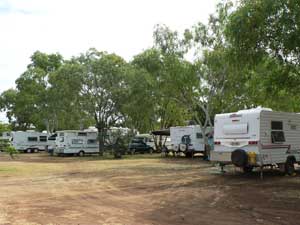
Choosing a vehicle for Grey Nomad motoring, is probably the owner's second biggest purchase after their home, with vehicles costing from $10,000-$20,000 up to luxury motor homes that can set owners back several hundred thousand dollars.
The major consideration in purchasing a vehicle is whether the owners will stick to the tarsealed highways that encircle Australia or head for the four-wheel-drive tracks that traverse the giant nation.
One extremely popular-but-demanding route is the Savannah Way, linking Cairns in North Queensland with the historic pearling town of Broome in Western Australia's Kimberley, via the natural wonders of Australia's tropical savannahs and the Northern Territory's Top End.
The 3700-kilometre route links 15 national parks and five world heritage areas.
You can explore just a section or cross the continent enjoying its wide horizons, ancient gorges and abundant wildlife, connecting with Aboriginal and pioneer heritage in the friendly outback.
However, the Savannah Way is not for the faint-hearted and motorists undertaking the trip need to be self-sufficient for fuel, food and vehicle spares.
While New Zealand has its share of its Grey Nomads, the vast spaces of Australia make for a myriad of trips – without seeing the same scenery twice.