
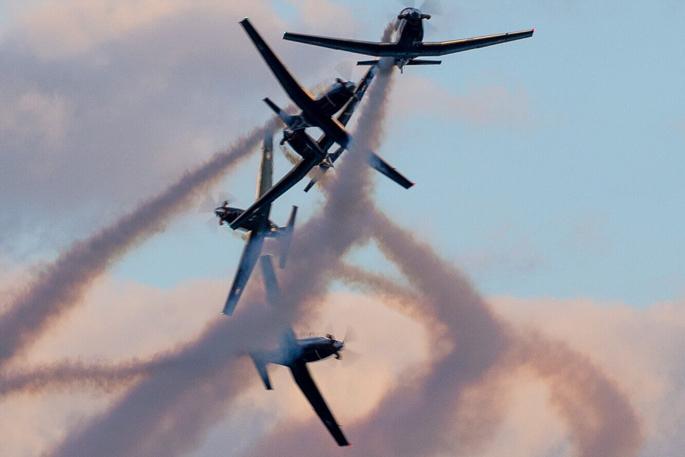
New Zealand’s biggest junior surf lifesaving festival is unfolding on Pāpāmoa sand this week – and it will come with a high-flying salute from the Royal NZ Air Force’s Black Falcons aerobatic team.
More than 750 young athletes aged 10-13 from 52 surf clubs will descend on Pāpāmoa Surf Life Saving Club from Thursday to Sunday, February 19-22, for Oceans ’26: Festival of Junior Surf Lifesaving.
Racing runs 9am-3pm daily, with events including beach sprints and flags, board paddling, surf swims, relays and rescue simulations.
Four days
The four-day festival has shifted from its traditional home at Mount Maunganui after the recent landslide tragedy. The relocation, the second time in 25 years, was made by Surf Life Saving New Zealand in conjunction with Tauranga City Council, Mount Maunganui Lifeguard Service and Pāpāmoa Surf Life Saving Club
SLSNZ National events manager Luke Smith said pulling together an event of this scale with just three weeks’ notice had been no small task.
“Pāpāmoa Surf Life Saving Club have been amazing in the way they’ve opened their doors and offered so many fantastic volunteers to allow us to deliver an event of this size with three weeks’ notice,” he said.
Mount Maunganui Lifeguard Service, despite facing a tough few weeks of its own, had also stepped up to provide experienced volunteers and support.
“It’s been a huge few weeks of organising, especially given the circumstances,” Smith said.
“But the whole goal is to provide the most enjoyable experience we can for these kids attending. We can’t wait to get on the beach with them and have an awesome four days.”
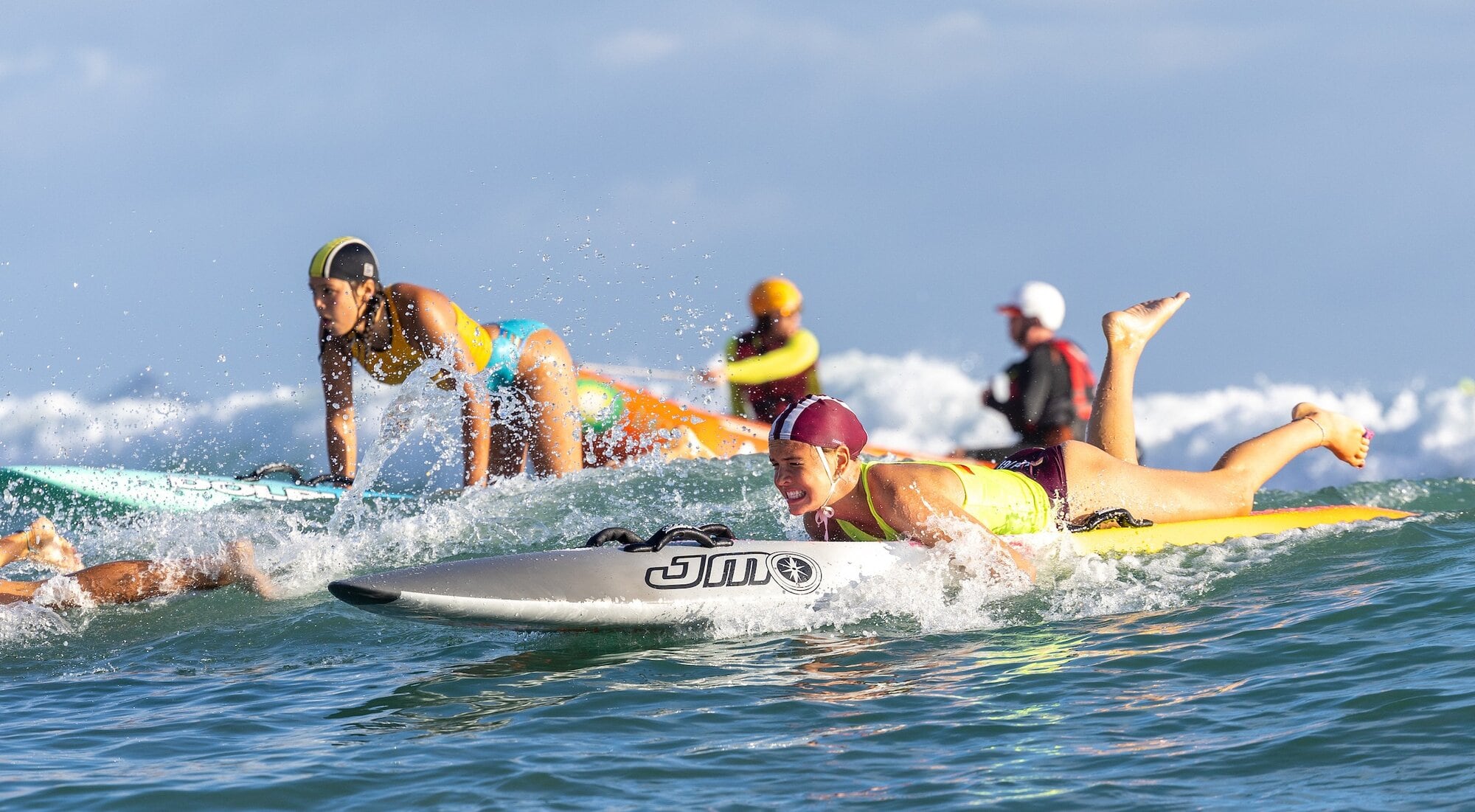
Participants in the Oceans '25 festival. Photo / Jamie Troughton: Dscribe Media
The focus
While Oceans is fiercely competitive event-by-event, there is no overall club champion. Instead, the focus is on participation, connection and building the next generation of volunteer surf lifeguards.
“We’ve seen really positive data around engagement in these events,” Smith said. “Those who participate have a much higher retention rate through to when they turn 14 and become eligible to be volunteer surf lifeguards.”
More than 100 volunteers – from officials and water safety crews to first aid teams and coaches – will support the festival, reflecting surf lifesaving’s strong volunteer culture.
The festival atmosphere will spill beyond the beach, with families travelling from throughout New Zealand and staying across Mount Maunganui and Pāpāmoa, continuing to support local cafés, shops and accommodation providers.
Adding to the excitement, the Black Falcons will perform a 17-minute aerobatic display at 1pm on tomorrow, February 21, flying offshore directly out from Pāpāmoa Surf Life Saving Club.
The five-aircraft team, which is made up of qualified flying instructors from Central Flying School and No. 14 Squadron at RNZAF Base Ohakea, will fly the T-6C Texan II.
Lieutenant Commander Stephen Knowles, the first Royal New Zealand Navy pilot to join the Black Falcons, said the team is looking forward to engaging with the community.
“Standing in front of the surf club on the beach will be the best spot to watch from, but anywhere around that area will give a great view.”
Five aircraft
The display will feature five aircraft flying in tight formation – sometimes just five metres apart – before splitting into smaller elements to perform a range of manoeuvres with smoke and high-energy passes over the water.
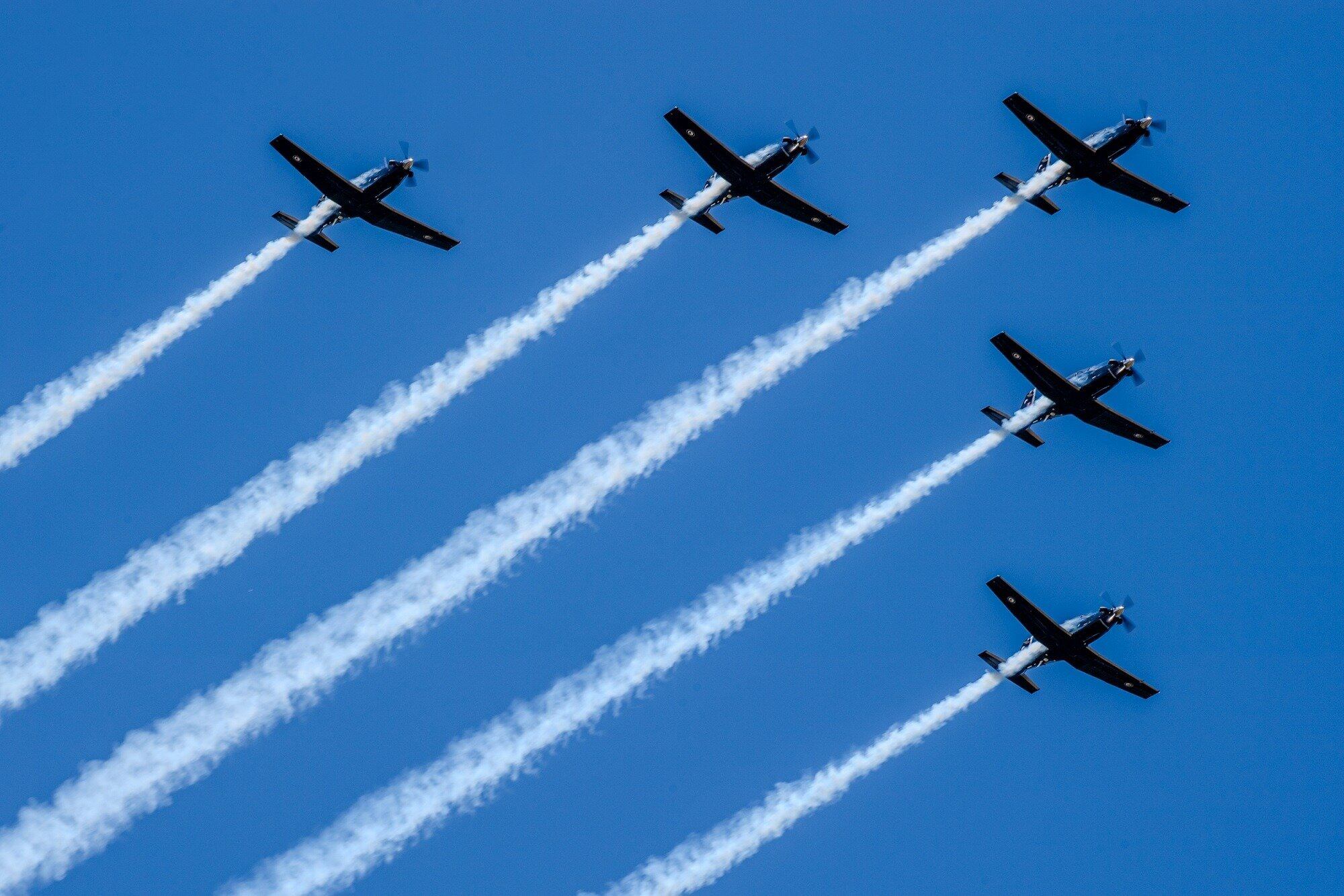
RNZAF's Black Falcons Aerobatics display team will be conducting a display at Papamoa at 1pm on Saturday, February 21. Photo / Supplied
“It’s approximately a 17-minute display,” he said. “There are different elements where we split into three and two aircraft formations, approaching from different angles with smoke on and off to provide some cool visual effects – a bit of noise and smoke for the crowd to watch.”
The Black Falcons season runs January to April, with about 10 displays nationwide. The team trains for several months before the season begins and all members have day jobs training the next generation of military pilots.
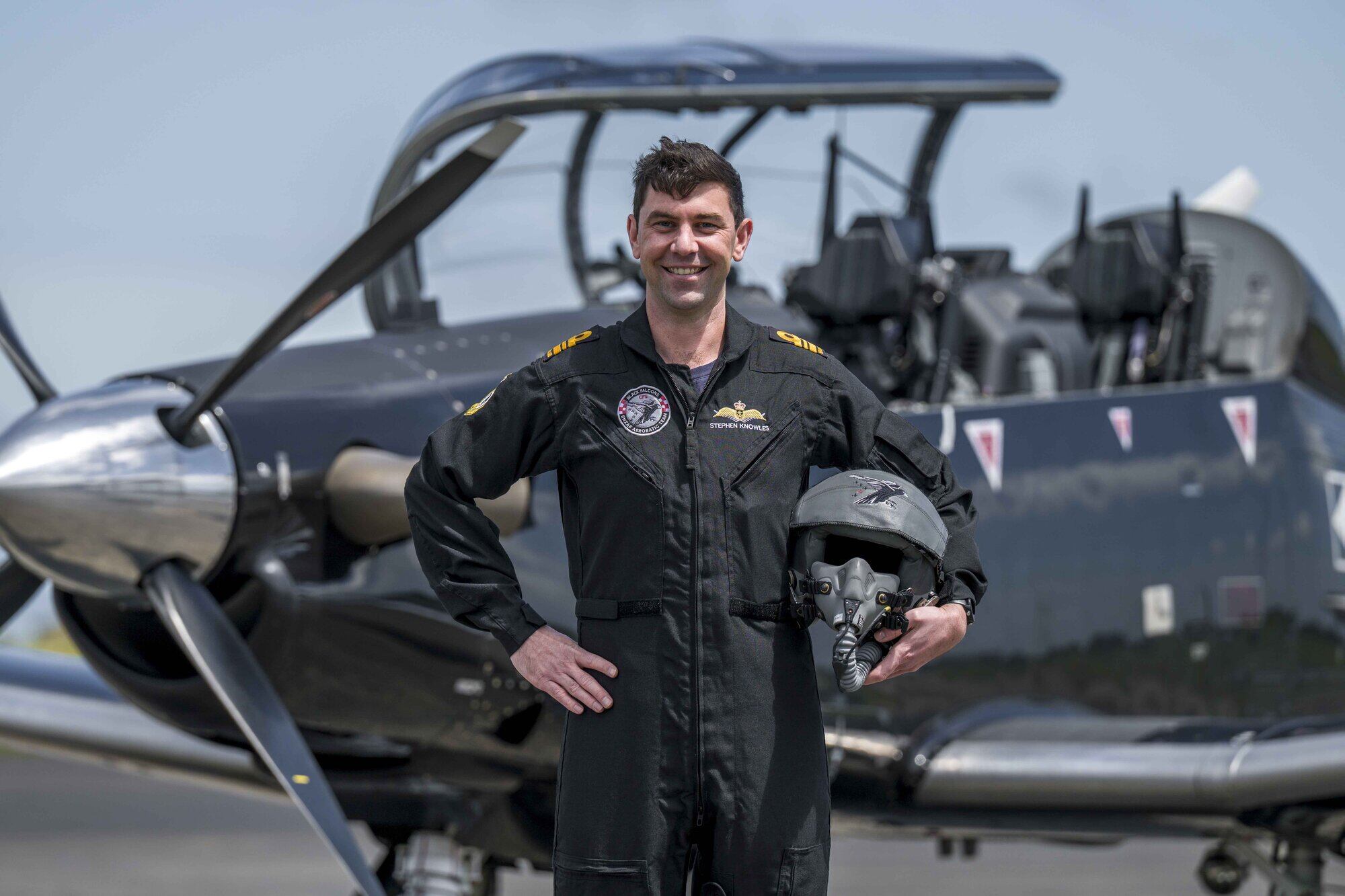
RNZAF's Black Falcons Team 2026 Season. Lieutenant Commander Stephen Knowles. Photo / Supplied
For Lieutenant Commander Knowles, a helicopter pilot by background, being part of the team had been a career highlight. “Formation aerobatic flying is exhilarating, and if I’m honest, I still get a bit nervous before each display, but that keeps you on your toes,” he said.
The purpose of the displays is twofold: “Firstly, we want to inspire and educate – hopefully reaching the new generation of pilots and aviators – and secondly, we want to show the flying skills of the Air Force and Navy.”
Community resilience
The team will arrive in Tauranga today, February 20, to perform at Pāpāmoa tomorrow, February 21.
For a community still reeling from recent events at the Mount, the timing feels significant, Lieutenant Commander Knowles said.
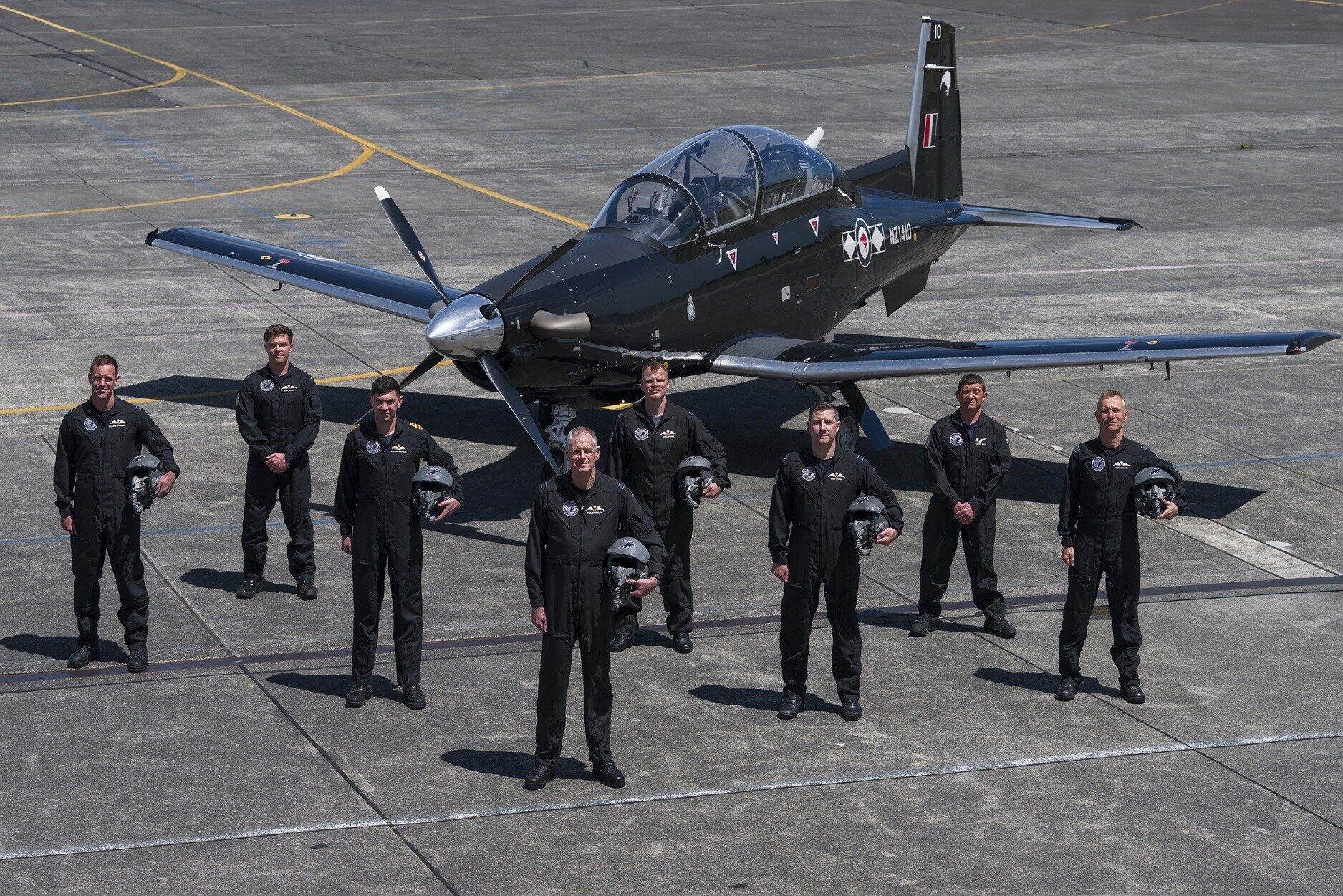
RNZAF's Black Falcons Team 2026 Season. Photo / Supplied
“If we can provide a bit of distraction for families and people watching, then I think that’ll be a great outcome.”
With club colours, chants and beachside buzz below, and five aircraft carving arcs of white smoke above, Oceans ’26 promises to be a celebration not only of youth sport and surf safety – but of community resilience along the Bay of Plenty coastline.