
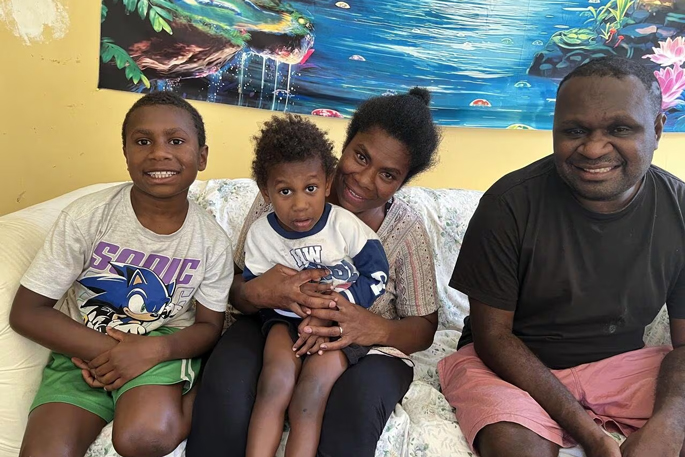
A migrant father living in rural Bay of Plenty is battling brain cancer as his visa is about to end.
Now his family is searching for their next steps, uncertain about what their future in New Zealand might look like.
Bob and Becky Tafan moved to New Zealand from Vanuatu in 2023 with their four children - Fredrick, 15, Elizabeth, 12, Junior, 9, and Harrison, 3 - on a working visa, hoping to build a stable life.
The family settled in Pongakawa.
Before that, Bob spent more than a decade coming here solo as a recognised seasonal worker in kiwifruit orchards.
He said New Zealand offered him a healthier life with a better standard of living.
Their stability unravelled after Christmas when Bob began suffering headaches and memory loss.
The couple made four visits to the doctor over January, each time being sent home with paracetamol and anti-nausea medication.
After weeks of worsening symptoms, Bob was taken by ambulance to Waikato Hospital on January 23, where doctors discovered a large tumour in the frontal lobes of his brain. He underwent surgery soon after.
Becky admitted she was scared but had trust in God.
Surgery removed some of the tumour, but what remained could not be safely taken out.
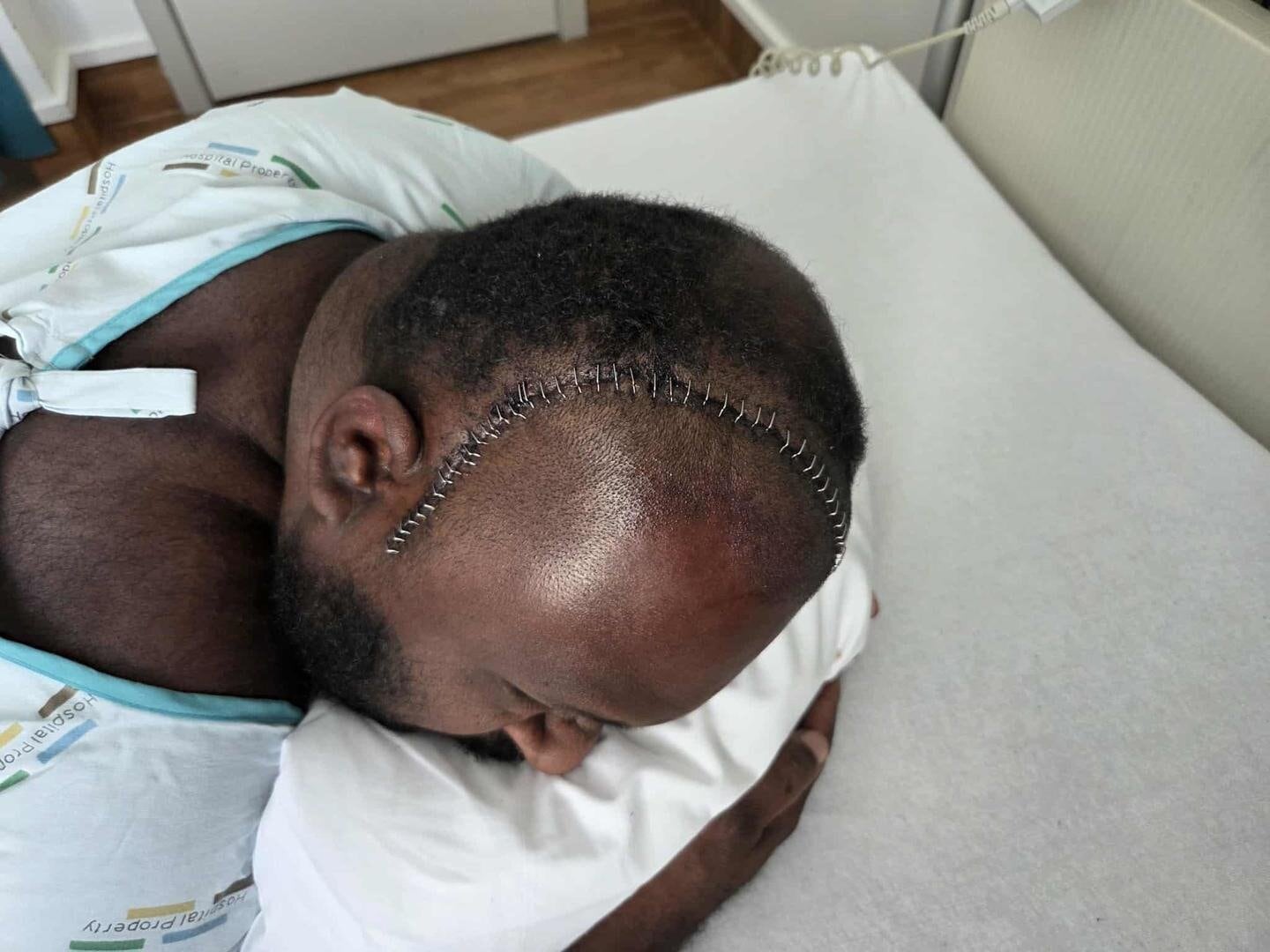
Bob underwent surgery in an effort to remove as much of the brain tumour as safely possible. Photo / Supplied
Bob has since returned home and begun six weeks of daily radiotherapy, to be followed by six cycles of chemotherapy over 36 weeks.
The family lives an hour from Tauranga’s Kathleen Kilgour Centre, where Bob receives his treatment, and neither he nor Becky can drive, relying on volunteers for daily transport.
Becky worked as many hours as she could picking kiwifruit and caring for their children, but it was not enough to keep up with mounting expenses.
As non-New Zealand citizens, they have been unable to access government support, and an application for emergency assistance was declined.
The loss of income has left the family struggling to cover their essentials.
Despite that, Becky said they were grateful to be in New Zealand.
“It’s good to be here. Good hospital here, good treatment.”
Garcia Contracting Services managing director Luciano Garcia said Bob has been working for him since 2015.
Garcia said Bob quickly proved himself as a natural leader who consistently went above and beyond.
“I saw potential ... He solved problems, trained people, very good cultural interaction, he embraces diversity.”
He said he hoped Bob could stay in New Zealand to focus on recovering and eventually return to work, with visas extended so the whole family could remain together.
Garcia stepped in to help and arranged for family members to travel to New Zealand.
Bob’s father arrived last week, along with Becky’s sister and her husband, offering the family some much‑needed comfort.
Their youngest son, Harrison, has gone back to Vanuatu to stay with family, while his siblings remain at school in New Zealand.
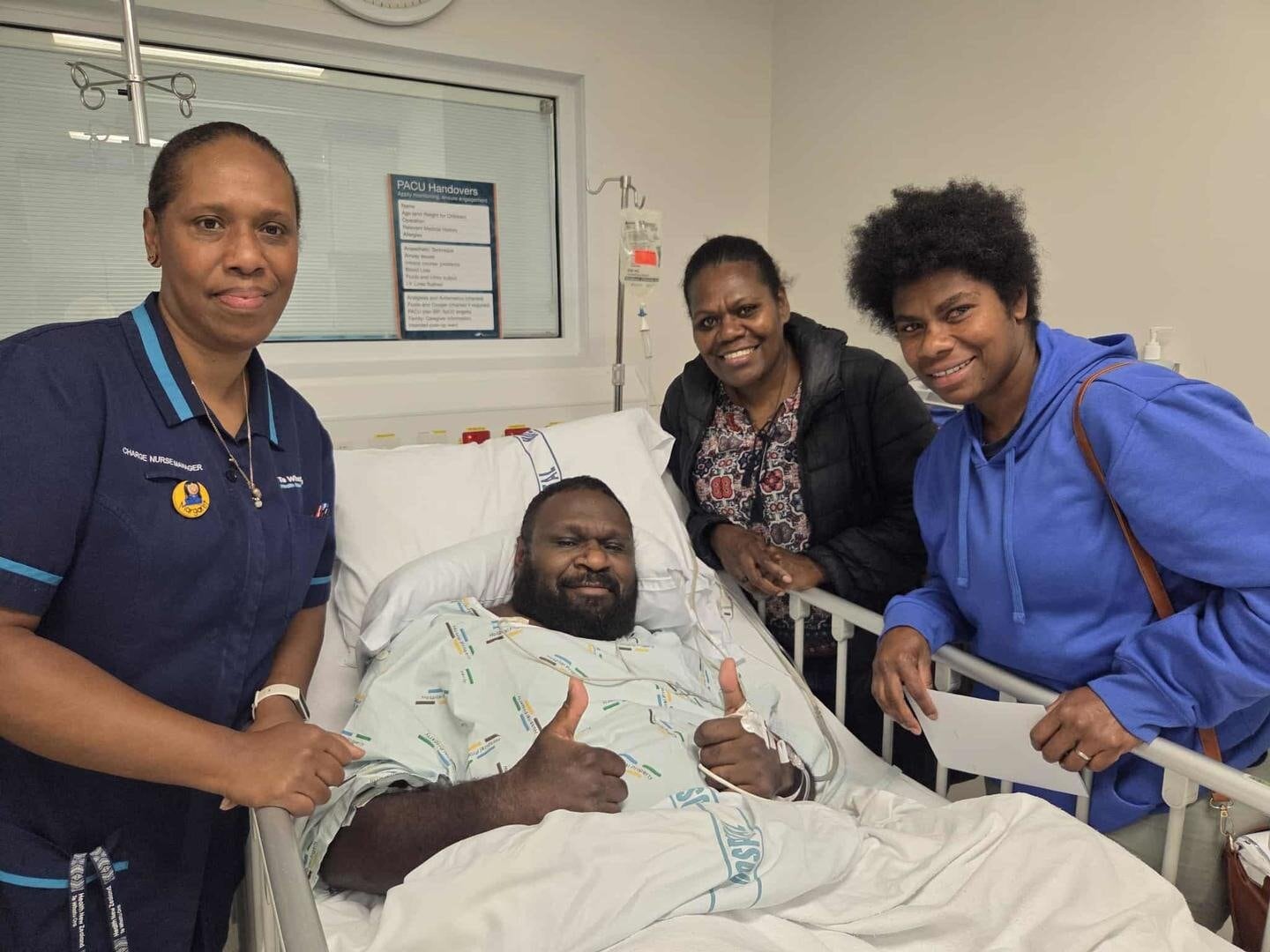
Bob begins his daily radiotherapy treatment after surgery to remove part of a brain tumour. Photo / Supplied
Kylie DellaBarca Steel, who is the chief executive of the Fruit of the Pacific charity, has been supporting the family.
She has worked with recognised seasonal workers since 2008, and Bob’s dad was among the first groups she supported.
In recent years, her children became friends with Bob and Becky’s, and the families grew closer.
DellaBarca Steel was there the day Bob was taken to the hospital.
“I was only there because I was picking up their son for a play date. And I looked at Bob. I said, ‘Is everything okay?’ because he was wobbly on his legs and he didn’t look like he recognised me ... and then he just didn’t come home from the hospital.”
What began as helping with childcare soon expanded to providing meals, covering essentials, and arranging transport.
DellaBarca Steel, who was treated for leukaemia three years ago, said her experience helped her understand the uncertainty Bob is facing, as well as the toll it took on loved ones.
A Givealittle page has been set up to help cover essential living costs.
While Bob’s treatment will continue into next year, his visa only allows him to stay in New Zealand until June.
Steel said the Tafans were fearful of what would happen when their time in New Zealand runs out, with no clear path ahead.
Immigration New Zealand director of visa Jock Gilray said anyone who became seriously unwell and was unable to continue meeting their visa conditions should contact them as early as possible.
He said medical‑related visa matters were assessed on a case‑by‑case basis.
Discretionary exceptions might be considered when illness prevents someone from meeting their normal visa requirements.
Zoe Blake is a multimedia journalist at the Bay of Plenty Times and Rotorua Daily Post.