
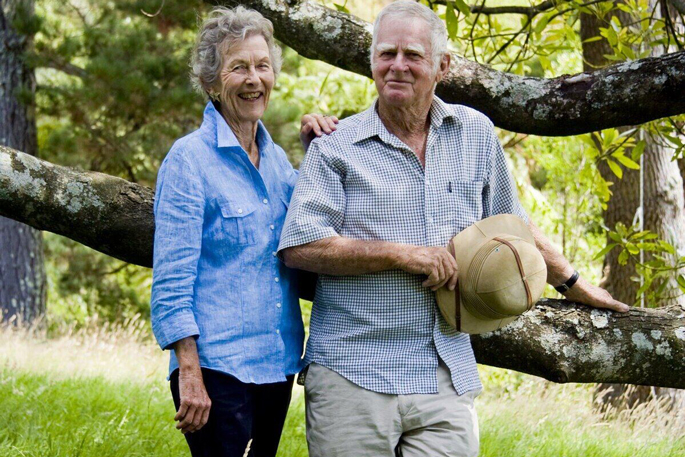
One of the founders behind the creation of Summerhill – Pāpāmoa’s widely used outdoor recreation and education facility on a working farm and forestry operation – has been remembered for an enduring gift.
David Loreburn Blackley died aged 95 on March 3, 2026, “under a Blood Moon” according to his death notice – a poetic detail fitting for a man so closely tied to the rhythms of land and sky.
Born in Heretaunga near Wellington on November 2, 1930, to Sam and Catherine Blackley, David met 17-year-old Cloie as a 20-year-old while aboard a ship returning to New Zealand in 1950.
In 1959, David and Cloie bought Summerhill on Reid Rd in the Pāpāmoa Hills, arriving from a remote Wairoa farm to seek new opportunities. What they found was a rundown block of land, covered in gorse, with extraordinary views.
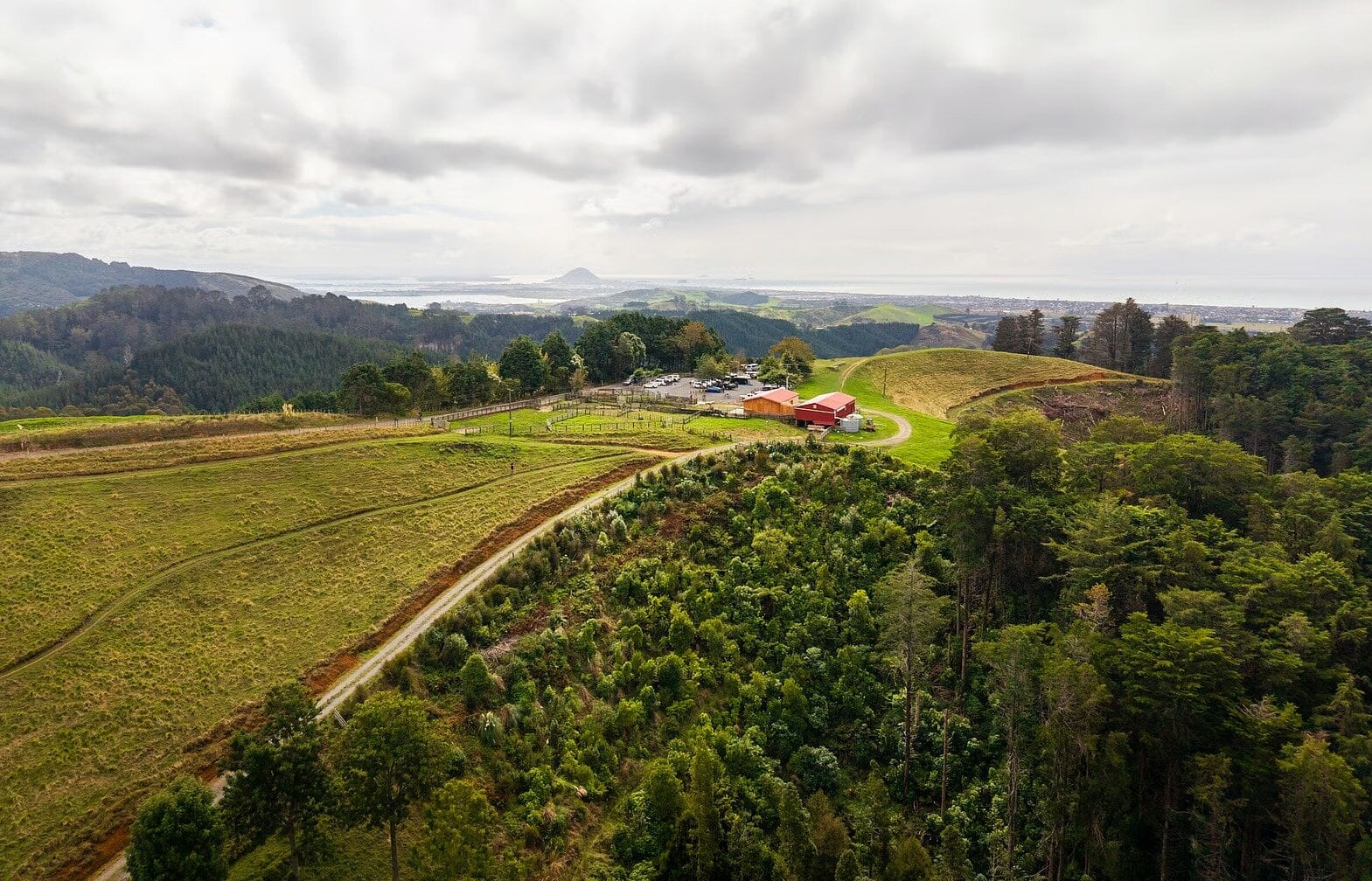
Aerial view of Summerhill. Photo / Supplied
During the following decades, the couple transformed the original holding into a productive and diverse 400-hectare farming and forestry operation.
Recreation and education
For many in the wider Bay of Plenty, the Blackley name is synonymous with Summerhill. The ridgeline property shares a boundary with the Pāpāmoa Hills Cultural Heritage Regional Park, enabling families to park at Summerhill and walk a shorter distance to Pāpāmoa Pā. Today, this land serves as a rare greenbelt on the edge of the rapidly expanding Tauranga city.
Summerhill is owned by Summerhill Charitable Trust, founded by David and Cloie in 2014, with the aim of promoting recreation and education in the Pāpāmoa Hills.
“That legacy was no accident. It was the result of decades of vision, diversification, hard work and, ultimately, extraordinary generosity,” Summerhill Charitable Trust chair Richard Balm said.
Vision beyond farming
His family said David was known for thinking “outside the square.” Long before it became common, the couple experimented with agroforestry, integrating trees and pasture to balance productivity with environmental care.
“This award-winning dry stock property combines plantation forestry with amenity and conservation plantings and public recreation. Species include radiata pine, kauri, cypresses, blackwoods, eucalypts and poplar – to control soil erosion,” a NZ Farm Forestry Association spokesperson said.
David was also quick to adopt innovations such as aerial topdressing in the late-1950s, transforming soil fertility and livestock health. These decisions, 40 years on, had created an attractive, diverse and resilient landscape.
The Summerhill Golf Course was another example of alternative land use.
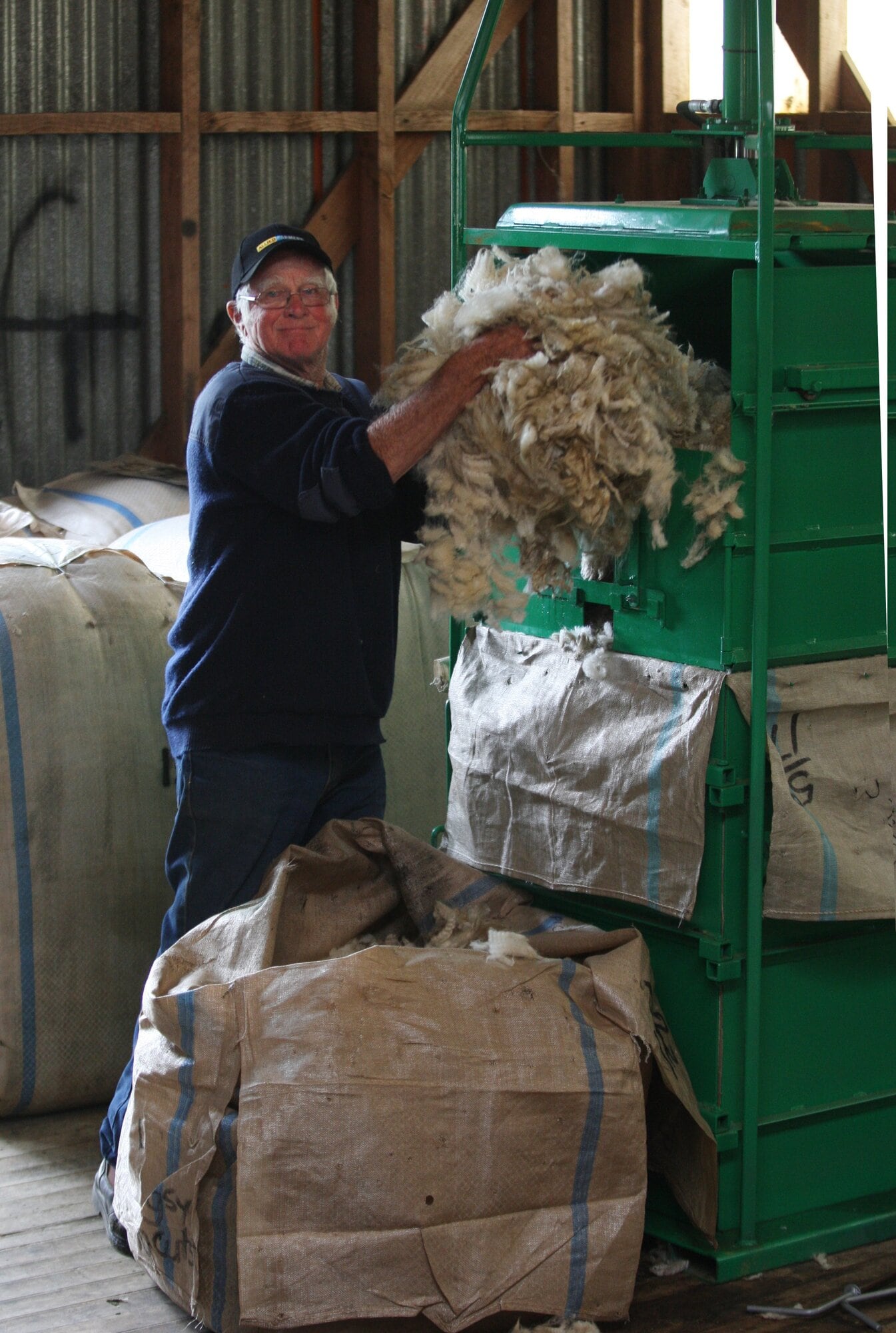
An inventor, David Blackley developed the ‘Rocket Wool Press’, which allowed more wool to be packed into a fadge, saving labour and improving efficiency over traditional methods. Powered by hydraulic hoses from a tractor, it was faster and more effective; he later sold the patent to an engineering company. Photo / Supplied
For David, the farm was never just about production. From early on, he and Cloie welcomed others onto the land – opening tracks for schools, walkers, horse riders and, later, mountain bikers, long before public access became formalised.
Close to a growing Tauranga and Pāpāmoa population, Summerhill evolved into something unique – a working farm that also served as a recreational and educational resource.
Next generation mattered
Community initiatives followed. In 2009, David founded the A1 Academy, offering leadership training to secondary school students. Now rebranded as NextGen Leader, it reaches students across Bay of Plenty schools.
Daughter Rose Blackley said he also encouraged Toi Ohomai Institute of Technology agricultural and forestry students to gain practical experience on the farm.
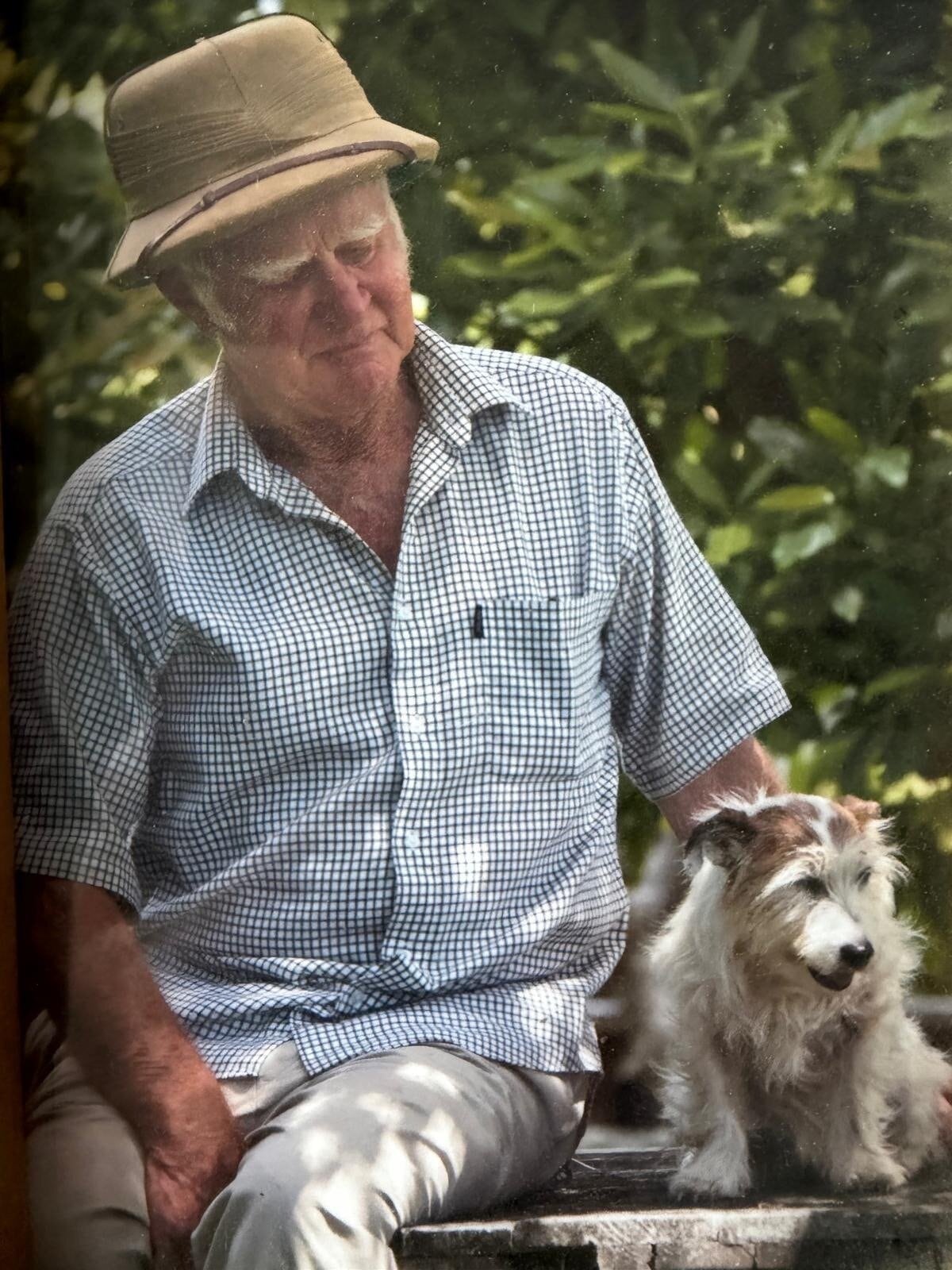
David Blackley enjoying a moment with his dog. Photo / Supplied
“He always believed the next generation mattered,” Rose said.
“One of the greatest joys our parents had was watching the youth enjoying the property, from the AIMS Games mountain bike downhill drops to the high-viz preschoolers walking to their forest classrooms.”
Farm and community hub
Today, Summerhill remains a working farm, running sheep and cattle while supporting forestry, conservation plantings and the charitable trust. Native bush areas have been protected, waterways restored, and an ecological corridor established.
At the same time, the property has become a hub for outdoor activity, with walking and mountain biking trails drawing thousands of visitors each month. Major events hosted there include the AIMS Games mountain biking, National School MTB Championships, orienteering and trail running races.
“I refer to it as Tauranga’s Cornwall Park,” Balm said.
Using Summerhill timbers and wool, a new purpose-built community centre known as ‘The Base’ was recently opened, which is used extensively for local events.
Those who knew David speak of his practical intelligence, curiosity, endless energy and willingness to try new ideas.
“I remember him saying, ‘Where there is a will there is a way’,” said Rose.
‘Remarkable legacy’
In announcing his death, The Summerhill Charitable Trust described his “love for the land” and the “remarkable legacy” he and Cloie created.
“It is a legacy measured not only in hectares, but in the experiences of the countless walkers, riders, students and families who have found connection and enjoyment there,” Balm said.
David Blackley is survived by his wife Cloie, their four daughters, nine grandchildren and five great-grandchildren. His and Cloie’s life’s work endures in the hills above Tauranga - in the trees they planted, the tracks they opened, and the land held in trust for all.
*Summerhill has reopened following January 22’s landslide damage in the Pāpāmoa hills. Runners, walkers and mountain bikers are welcome seven days a week from sunrise to sunset. Find out more at: www.summerhill.nz