
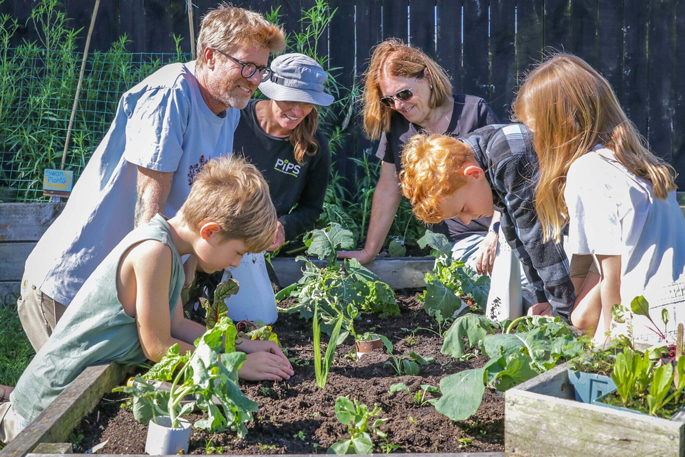
School leaders and families across Tauranga are backing a long-running environmental education programme that is facing an uncertain future due to a funding gap.
People, Plants, Schools (PiPS), which delivers hands-on gardening and sustainability education in Tauranga primary schools, was forced to pause operations after a shortfall of $24,500 left it unable to continue into this school term.
The programme had supported more than 3000 students annually across more than a dozen schools, employing six part-time facilitators who worked directly with tamariki (children) in school gardens.
PiPS manager Clare Rodgers said that back in November, the PiPS board believed they would have enough funding to get through 2026’s Term 2 if they applied to the Community Grants Funding Round 2 2025/2026, administered by the Tauranga City Council.
However, this funding round was postponed for four weeks from March 1 to April 1 after the fatal storm of January 22.
“This [postponement] was because the staff involved in administering the community grants were heavily involved in Tauranga City Council’s response to the January severe weather event, including setting up and administering the Mayoral Relief Fund,” council regulatory and community services general manager Sarah Omundsen said.
Rodgers said the fund’s postponement was not the council’s fault. “It’s just one of those things ... Because they pushed it back a month, it meant we had no money for Term 2, but now some of the schools are coming back on board.”
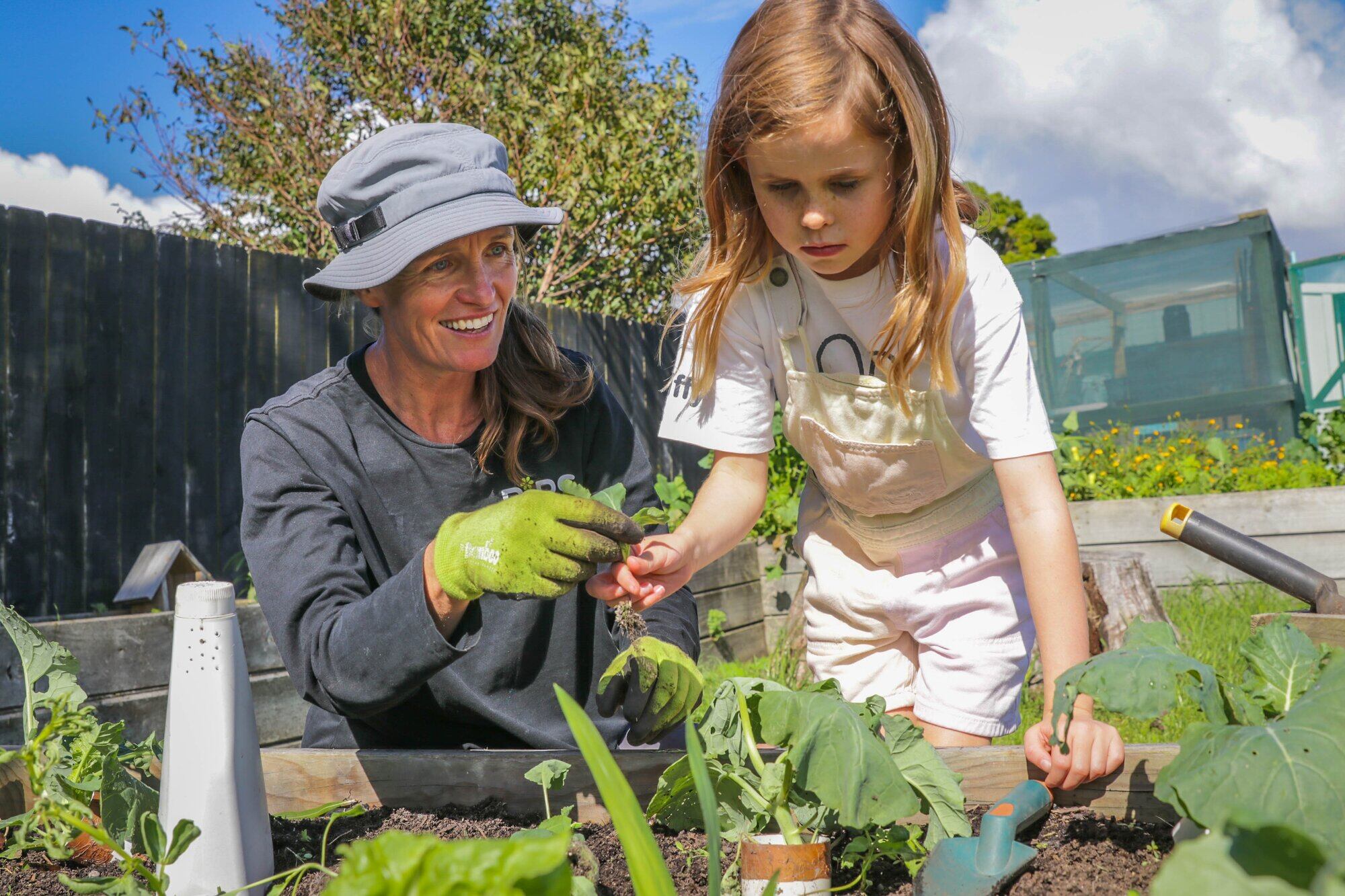
PiPS facilitator Maeve Henihan and Arataki School pupil Greta Parkby,7. Photo / Kelly O’Hara
Rodgers said the situation also reflected wider pressures facing the charity sector, which she said included community funding avenues dropping off.
“We’ve been incredibly grateful for the support we receive from TCC, TECT, BayTrust and NZ Lotteries – they have all backed us and continue to support us,” Rodgers said.
“This is not about a lack of goodwill. It’s about a timing gap in funding. We simply didn’t have enough to get through Term 2.”
Rodgers said the organisation was working with principals and supporters to explore ways to restart the programme, including seeking new sponsors and community backing.
“It’s been my baby for nine years,” Rodgers said. “We really want to see it continue – and the response from schools has been amazing.”
At Arataki School, principal Vicki Hiini said PiPS played a vital role in student learning.
“What I love about the programme is that it really encourages children to connect with the environment, to learn about self-sufficiency and how food is grown,” Hiini said.
“They get hands-on experience – things like pollination, seed harvesting and soil preparation – which brings learning to life.”
She said the programme’s strength lay in its dedicated facilitators, who worked alongside teachers and maintained the school gardens.
“With increasing curriculum demands, we simply don’t have the capacity to deliver something at that level ourselves,” Hiini said. “It’s a really positive programme that benefits every child, but we couldn’t afford to fund it without external support.”
Hiini said the programme’s impact goes beyond the classroom, helping build lifelong skills.
“We’re preparing children for the future – teaching them skills they’ll carry through life, especially around sustainability.”
Parent and supporter Steve Kirkby said programmes like PiPS were becoming increasingly important.
“We’re big advocates for it,” he said. “We’re just really enthusiastic about the importance of connecting our kids to food, where it comes from, and the joy of growing it.”
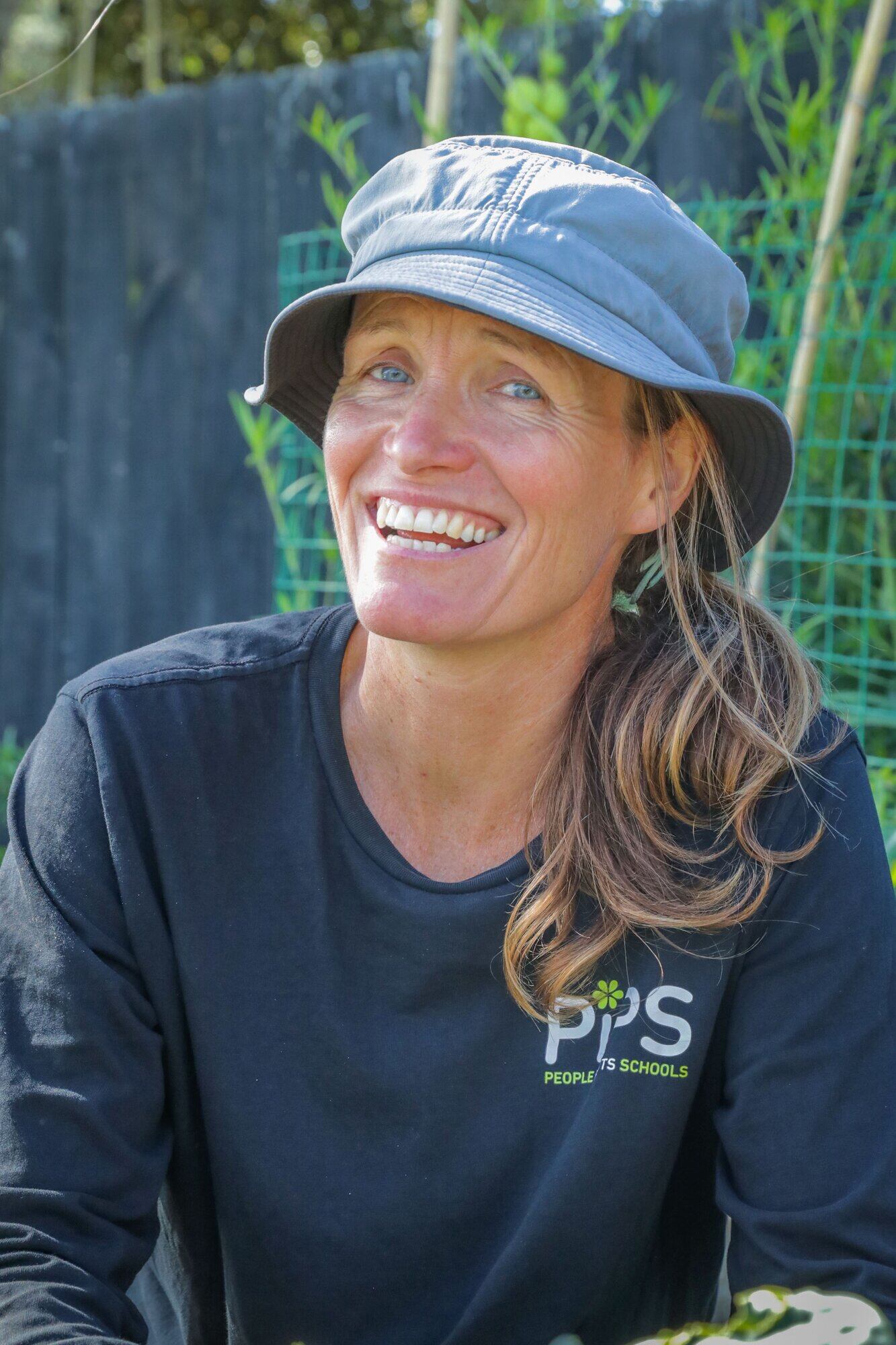
PiPS facilitator Maeve Henihan at Arataki School. Photo / Kelly O’Hara
Kirkby said learning to grow food was a practical life skill, particularly in a challenging economy.
“A school is the perfect place to start building that knowledge and connection,” he said.
“It’s also great for wellbeing – getting kids outside, working with nature, and away from screens.”
“Gardening is more than just a cute hobby, it’s a pathway to resilience and health,” Kirkby’s wife, Jill Parsons, said. “It’s literally the way we feed ourselves; it’s crucial.”
Rodgers said that while the organisation had secured some funding for later in the year, the immediate priority was bridging the current gap so facilitators can return to schools.
“We’re looking for community support and sponsors to help us keep going,” she said.
“The principals value it, the children love it, and we know the difference it makes.”
Those who want to support PiPS can email Clare Rodgers at: admin@pipsbop.org