
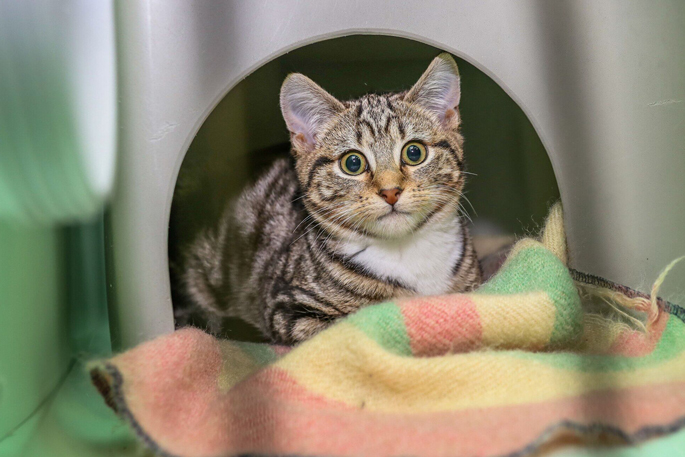
For animal rescue groups around the Bay of Plenty, winter is often when the community’s quiet struggles arrive at their doors – in the form of pets needing homes.
Behind the calm of colder days and quieter streets, rescue organisations say demand continues to build.
More animal owners are reaching out for help, driven by the rising costs of care or changes in circumstances.
Rescuers are urging people to reach out earlier, saying situations are easier to manage before they become overwhelming.
Bay of Plenty cat rescue Moggies has had more requests for rehoming compared to previous years.
Founder Francesca Harvey said that while winter brought its own challenges, rescue organisations were operating under capacity pressures year-round.
She said the increase was linked to broader financial pressures, housing insecurity, and people relocating.
“We are hearing from people who love their animals but are struggling to afford veterinary care, pet-friendly housing, or the ongoing costs associated with pet ownership.”
Harvey said rescue organisations were seeing more large, multi-generational cat households needing help.
Often, an undesexed female cat would have a litter, followed by litters from her offspring, resulting in colonies of 10 to 20 cats before help was sought.
“These situations can quickly become overwhelming for the people involved and difficult for rescues to accommodate.”
She said her most important message was to reach out for help sooner rather than later.
“Early intervention gives families, communities, and rescue organisations the best chance of finding positive outcomes for animals.”
Tauranga SPCA centre manager Andrea Crompton said that as the cost of living increases, more families were requesting to surrender their animals to the SPCA.
“While we believe that SPCA desexing education is having a positive impact and numbers are down, the request to rehome owned animals is on the increase.”
Crompton said the SPCA sometimes had to decline requests from people wishing to surrender their animals so it could prioritise care for sick, injured, and vulnerable animals.

Tauranga SPCA centre manager Andrea Crompton says more families were requesting to surrender their animals to the SPCA. Photo / Kelly O'Hara
“It’s really hard for myself and my team, but we need to keep to our core purpose so that we don’t ever have the need to close the doors on animals who are in serious need of care.”
Vada’s Angels Animal Rescue team manager Katrina Thompson said demand for rehoming services had risen, with more rescue organisations reaching or exceeding capacity.
“Many rescue organisations are being forced to limit or pause intakes because they simply do not have the foster homes, funding, or resources to safely take on additional animals.”
Thompson said Vada’s Angels had brought in 87 dogs from three different pounds on top of community surrenders and welfare cases.
“The demand is relentless, and unfortunately, the number of animals needing help far exceeds the resources available.”
She said there was also a “noticeable increase” in owner surrenders.
Rising living costs, job insecurity, and concerns about the future were forcing many families to make heartbreaking decisions about pets they genuinely loved, she said.
Wild to Warmth Cat Rescue founder Hope Dobbs said the organisation was receiving at least three calls a day from people looking to rehome their cats.
“Most of those cases include multiple cats, sometimes it’ll just be wild cats from people not desexing their cats, but there has been an increase in people trying to re-home cats.”
She said Wild to Warmth was at “complete capacity” and so were other rescues in the region.
The rescue is “quite small” compared to other organisations, with capacity for only 20 to 30 cats at a time.
Because Wild to Warmth operated entirely through foster homes, it does not maintain a physical shelter, Dobbs said.
“It’s been a lot more to manage, usually there is a dip with cats when it comes to winter because of the kitten season but it seems this year there hasn’t been a die-down.”
Dobbs said adoption rates had declined, making it more difficult for the rescue to move cats through the system.
With limited capacity, the organisation relied on successful adoptions to create space for additional cats in need.
“The pressure to take in cats never goes away, so if someone out there can help, it’s as simple as that.”