
Tauranga residents have a chance tomorrow, July 4, to give in-person feedback to Toi Moana Bay of Plenty Regional Council on the future of local government.
The council is hosting three community events tomorrow – in Tauranga, Rotorua and Ōhope – for people to talk with regional representatives on the future shape of local government in the Bay of Plenty.
In Tauranga, people can attend a council gazebo from 8am to midday at Ōtūmoetai Football Club grounds on Tilby Drive to fill in a survey and chat with staff.
The council has also invited BOP residents to give feedback online at boprc.govt.nz/simplifying-local-government from June 29 to July 12.
This call for feedback comes as councils across New Zealand consider options under the Government’s Simplifying Local Government programme, including the voluntary Head Start pathway for regions to explore possible reorganisation ahead of wider reform from 2028.
Best fit for BOP?
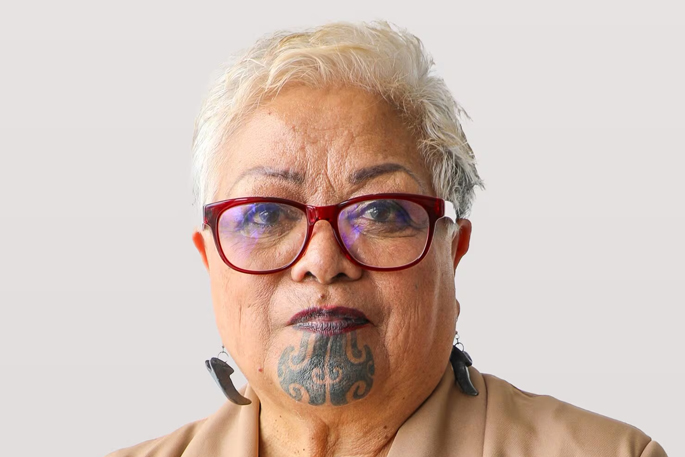
BOPRC chair Matemoana McDonald said the process was an opportunity to consider what future arrangements would best support the region over time.
“There is a clear direction of travel for local government reform, and it is important the Bay of Plenty is part of that conversation,” she said in a statement.
“The feedback we receive through this process is about understanding what matters most to our communities and stakeholders as those discussions develop, including how services are delivered, how decisions are made, and how local and regional interests are balanced.”
The council is seeking feedback on a range of possible approaches to local government in the region. These included models with different combinations of regional and local structures, each with distinct strengths and trade-offs.

This image shows the three proposed models that people can provide feedback on. Image / Supplied
McDonald said any future model should be considered on how well it delivers for the whole region, and noted that many of the services people rely on operate beyond individual council boundaries.
“Flood protection, river and catchment management, biosecurity, regional planning, environmental monitoring and public transport all depend on coordinated delivery across the region, “ she said.
“At the same time, any future arrangement must ensure local communities have a meaningful voice in decisions that affect them.”
Cost and efficiency
McDonald said cost and efficiency were important considerations in this process, and the evidence so far suggested some sub-regional models may not deliver these benefits as effectively as a region-wide approach.
“The analysis to date suggests a region-wide model is better placed to deliver long-term efficiencies for the Bay of Plenty, particularly through shared services, and clearer accountability.
“Sub-regional models may offer a stronger sense of local visibility, but they can also create extra cost and complexity where functions, capability and systems need to be repeated across multiple organisations. That can make it harder to achieve the simplicity, consistency and coordination this reform is intended to deliver.”
All implications
McDonald said it was important that all implications were carefully considered through the Head Start process, both financial and non-financial.
“Our focus must be on finding the model that works best for the whole Bay of Plenty over the long term.”
While regional councils could not submit a proposal to the Government for reorganisation under its Head Start pathway, McDonald said they could contribute to regional discussions and provide context on how services are currently delivered.
“Our role is to support informed discussion by providing evidence and practical insight into how regional services operate, and what needs to be considered in any future model.”
Have a say online
People can find out more and provide feedback at boprc.govt.nz/simplifying-local-government until July 12 or speak with regional council representatives at events on July 4.