
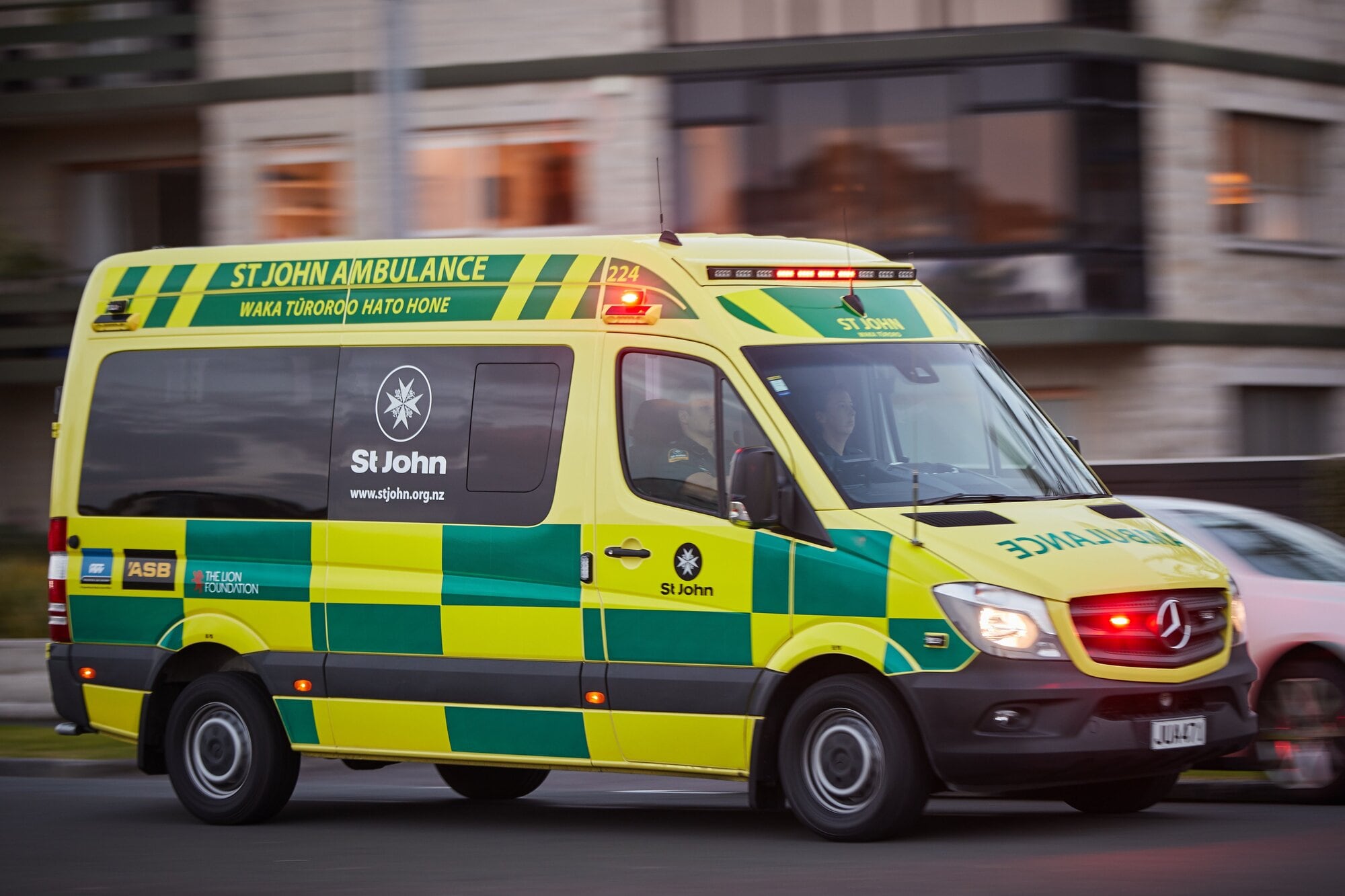
As people look forward to a well-earned break, Hato Hone St John is reminding everyone that prevention and preparedness are key to a safe and enjoyable summer.
Ambulance teams nationwide are preparing for an expected surge in demand at holiday hotspots – and St John urged the public to play their part.
“Emergencies can happen anytime, anywhere, and many are avoidable,” St John general manager ambulance operations Rosanne Shaw said.
“While Hato Hone St John will be there to help, we need everyone to do their part to stay safe and prevent an emergency.
“We upscale our resources over the summer period, yet our frontline crews continue to attend many preventable incidents,” Shaw said.
“Whether you live in New Zealand or are visiting for the holidays, we encourage you to act responsibly and keep safety front of mind during your festivities – for the wellbeing of everyone.”
St John also advised people to seek the right health service for their condition.
For non-urgent issues, consider calling Healthline, contacting the 24/7 online GP service, or visiting a local GP or pharmacy.
When calling 111 in an emergency, patients whose condition is not life-threatening may have to wait longer while ambulance crews respond to those who are critically unwell.
“In some cases, an ambulance response may not be the most appropriate outcome. Callers may be contacted by a clinical hub clinician for further assessment and based on that conversation, may receive health advice or be referred to another healthcare provider rather than have an ambulance dispatched,” Shaw said.
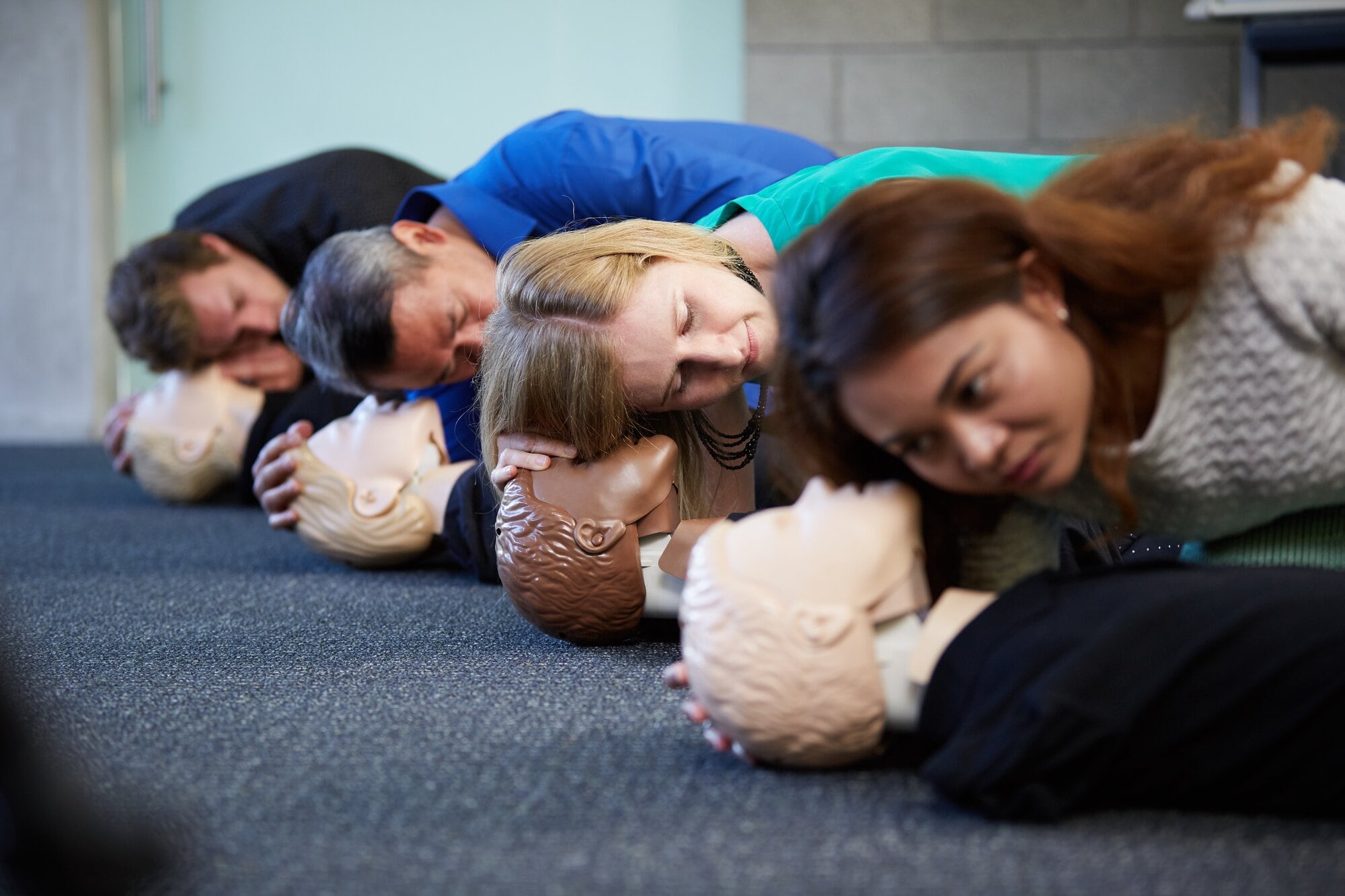
St John advised the public to themselves with basic first aid skills ahead if summer. Photo: Hato Hone St John
Last summer, St John ambulance teams responded to 143,735 emergencies from December 1, 2024, to February 28, 2025 – and attended a higher volume of water and road-related callouts compared with the previous summer.
A total of 772 drowning or boat-related incidents were recorded – an increase of 11.1%, which was 77 more incidents. Road-related incidents rose by 10.6% with 484 more incidents.
To help everyone stay safe, St John is sharing its summer safety tips:
On the road
Whether you’re driving near or far, take responsibility for your safety and the safety of your passengers and other road users. Eliminate distractions, drive to the conditions, follow road rules and signs and ensure everyone is properly secured, including children in appropriate car seats. Plan your journey and arrive safely.
In, on, around water
Tell someone where you’re going and when you expect to return. If you’re on a boat, kayak, paddleboard or fishing from the shore, wear a correctly fitted lifejacket. Swim between the flags at a lifeguard-patrolled beach. Supervise children closely and keep them within reach. If you get into trouble, remember: float, breathe, signal, survive.
Prep for travel
Before travelling, pack what you need to stay safe. Carry a first aid kit – minor injuries can occur anytime, anywhere.
Stock up on prescription medicines – a pre-existing medical condition can quickly become an emergency without regular medication.
Pack the right equipment for outdoor activities – extra food, warm clothing and safety gear such as a personal locator beacon if heading off grid.
Plan ahead
If plans include alcohol, plan ahead. Arrange a sober driver, eat before drinking and have water between alcoholic drinks to stay hydrated.
Know basic first aid
Equip yourself with first aid knowledge of what to look for and how to act in various emergencies. Our First Aid Guides are a quick way to learn the basics – covering everything from bee and jellyfish stings to burns, sprains, heat-related illness and other common summer injuries.
Be sun-smart
Protect yourself from the harsh NZ sun: seek shade, cover up with clothing and regularly apply a high-SPF sunscreen.
WBOP statistics from last summer
St John Western Bay of Plenty area operations manager Mat Delaney said last summer – from December 1, 2024, to February 28, 2025 – his WBOP ambulance crews attended 6395 incidents – an increase of 20 callouts in the same period the previous year.
“Demand increases by about 10% over the summer compared to the quieter parts of the year, similar to winter,” Delaney said.
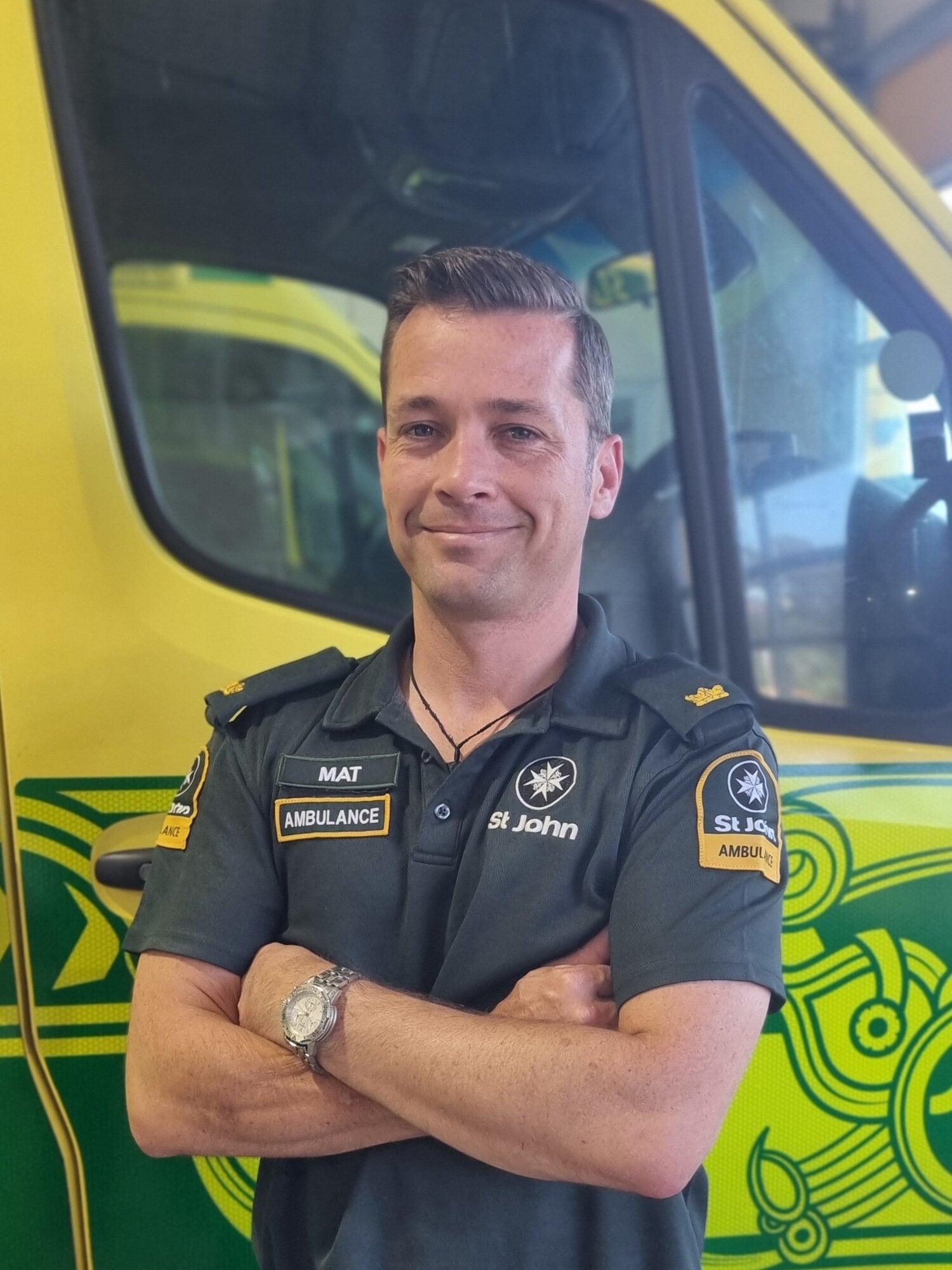
Hato Hone St John Western Bay of Plenty area operations manager Mat Delaney. Photo: Hato Hone St John
“During this time we see an obvious rise in traffic, water and intoxication-related incidents, as well as mental health-related incidents, as the pressures of the holidays take a toll.
“It’s a timely reminder to check in on your loved ones and community members, especially if you know they are experiencing hardship or are vulnerable.”
Western Bay of Plenty was the 10th-busiest area in NZ, for both water-related and road-related incidents respectively, last summer, Delaney said.
WBOP was also the fifth-busiest New Year’s Eve hotspot last year, with ambulance crews attending about 170 incidents during 48 hours between December 31, 2024, and January 1, 2025.
“Often, the day of January 1 is busier than New Year’s Eve night, with people waking up and realising they require urgent medical attention,” Delaney said.
“Overall, our WBOP ambulance crews experience high demand, responding to an average of 63 incidents every day throughout the year.”