
Film Bay of Plenty has received a $44,000 grant to help local people turn their lived experiences and cultural stories into screen narratives.
The funding from the ScreenRights Cultural Fund will support He Kōrero Tuku Iho – Stories Carried Forward, a new programme designed to give Bay of Plenty people across the skills and confidence to develop their stories for screen.
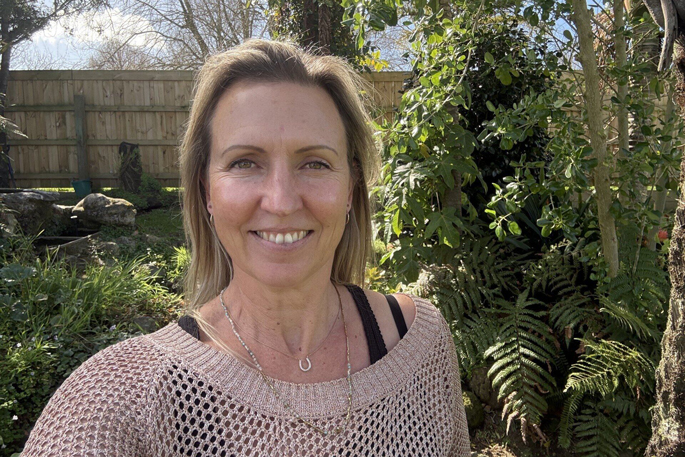
Film Bay of Plenty CEO Jade Kent said the programme is about creating opportunities for people who have stories to tell but may not have the skills, confidence or industry connections to take the first steps. “There is no shortage of powerful stories within our communities,” she said.
“What is often missing is the opportunity for people to learn how to shape those stories for the screen and understand what the next steps might be.”
The programme will be delivered through workshops and supported story labs, with proposed regional hubs in Tauranga, Rotorua and Whakatāne.
Participants will learn about key elements of screen storytelling, including narrative structure, character, voice and how to translate an idea into a story for the screen.
They will then have an opportunity to apply those skills to their own stories with guidance from experienced screen practitioners.
Filmmaker Kim Webby will lead the programme’s design and delivery, working with screen practitioners Briar Grace-Smith, Mike Jonathan and Tim Worrall.
Their combined experience covers writing, directing, documentary, drama and culturally grounded storytelling.
Kent said having a regional focus is important. “People should not have to leave their community or already be connected to the screen industry to begin developing their stories,” she said.
“By taking the programme into different parts of the Bay, we can create more welcoming entry points and support stories that are grounded in the people and places they come from.”
Support will be available to help reduce travel barriers for participants.
The programme is focused on learning rather than production, giving participants a supported environment to explore their story, voice and perspective.
Some of the learning will be captured and developed into a digital resource, allowing the programme to reach beyond those taking part in the workshops and story labs.
“We hope this funding will help uncover new voices and strengthen the region’s storytelling capability,” Kent said.
The $44,000 grant is one of six projects supported through the 2026 ScreenRights Cultural Fund, which awarded a total of $293,400 across Australia and Aotearoa New Zealand.
This year’s fund focused on Learning Through Story, with initiatives aimed at increasing access and participation in the screen sector.
Film BOP said further information about programme dates, locations and applications will be announced in due course.