
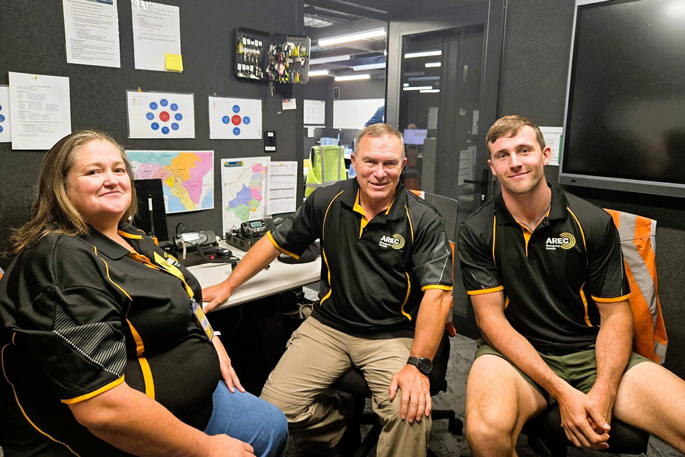
When ex-tropical Cyclone Vaianu threatened the East Coast this month, a small group of Tauranga volunteers quietly packed their bags and headed into the storm.
Their mission wasn’t rescue or relief work on the ground. It was something less visible, but just as critical – keeping communities connected.
Members of Amateur Radio Emergency Communications (AREC) Tauranga answered a national call to support Tairāwhiti Emergency Management in Gisborne from April 10-12, ensuring vital lines of communication stayed open as severe weather hit the region.
AREC group leader Joanne Watson said the deployment highlighted just how important back-up communications were when disaster strikes.
“Cell phones and satellite systems are great – until they’re not,” Watson said. “Towers can go down, batteries only last so long, and networks get congested very quickly. That’s where we come in.”
AREC is a volunteer organisation that provides emergency radio communications during disasters and search and rescue operations. Established in New Zealand after the Napier earthquake in 1931, the group has evolved into a key nationwide support service for Civil Defence, police and Land Search and Rescue teams.
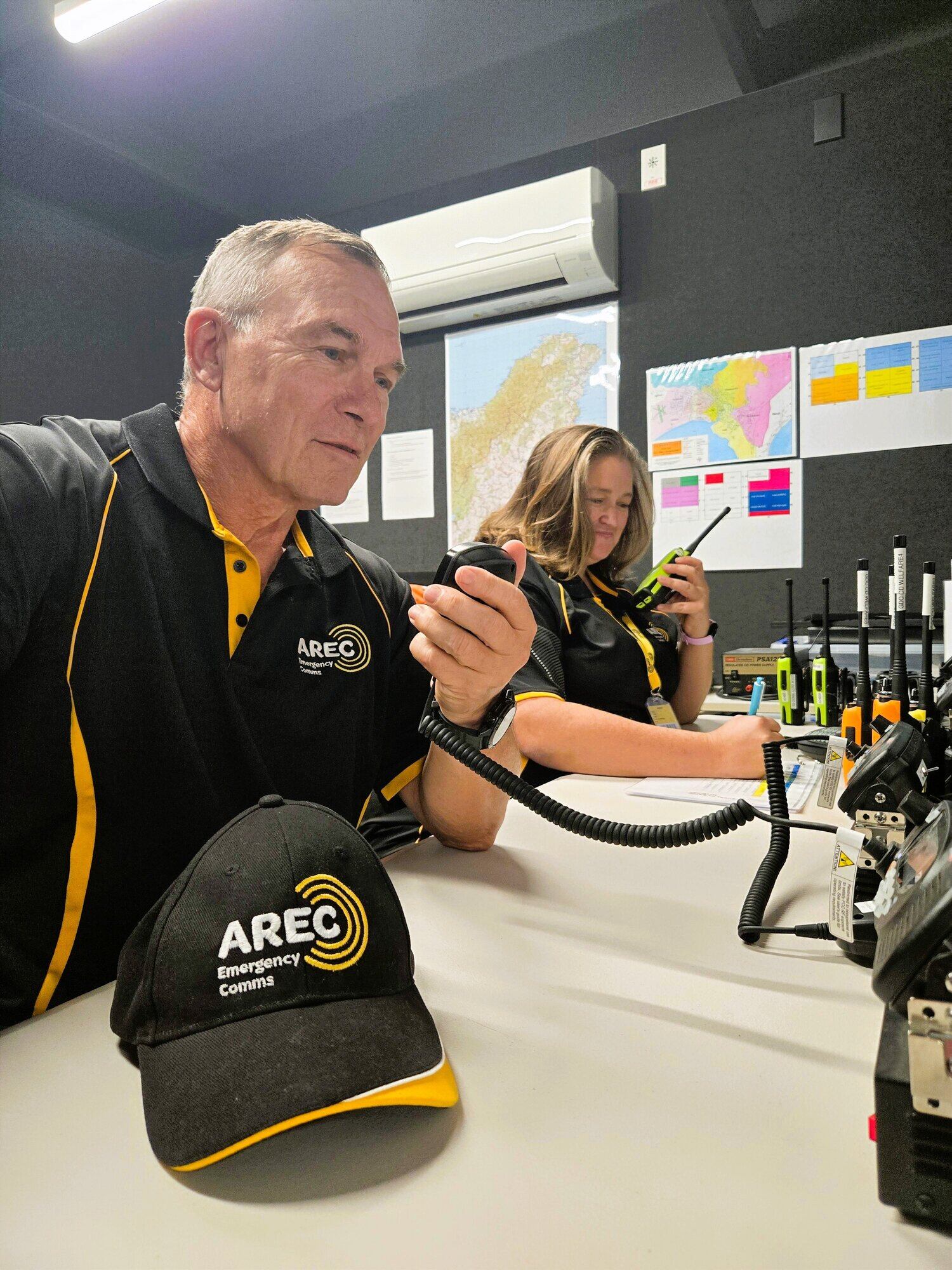
Tauranga AREC members Ian Hendry and group leader Joanne Watson provided emergency radio communications in Gisborne during Cyclone Vaianu. Photo / Supplied
During Cyclone Vaianu, three Tauranga volunteers joined operators in Gisborne, working in shifts around the clock inside the emergency operations centre. Their role was to maintain radio contact with isolated community hubs and ensure welfare checks continued, even as conditions deteriorated.
“We were doing hourly check-ins with remote areas to make sure people were safe and still able to communicate,” Watson said. “At one point, we noticed a community had stopped responding. By checking our radio logs, we were able to confirm their power – and backup power – had failed, and that triggered a response to check on them.”
While Gisborne’s cell phone network remained largely intact during the storm, Watson said the experience reinforced how quickly that can change.
“After Cyclone Gabrielle, parts of the region were completely cut off. That’s why having a contingency plan is so important. Radio doesn’t rely on the same infrastructure; it gives you another layer of resilience.”
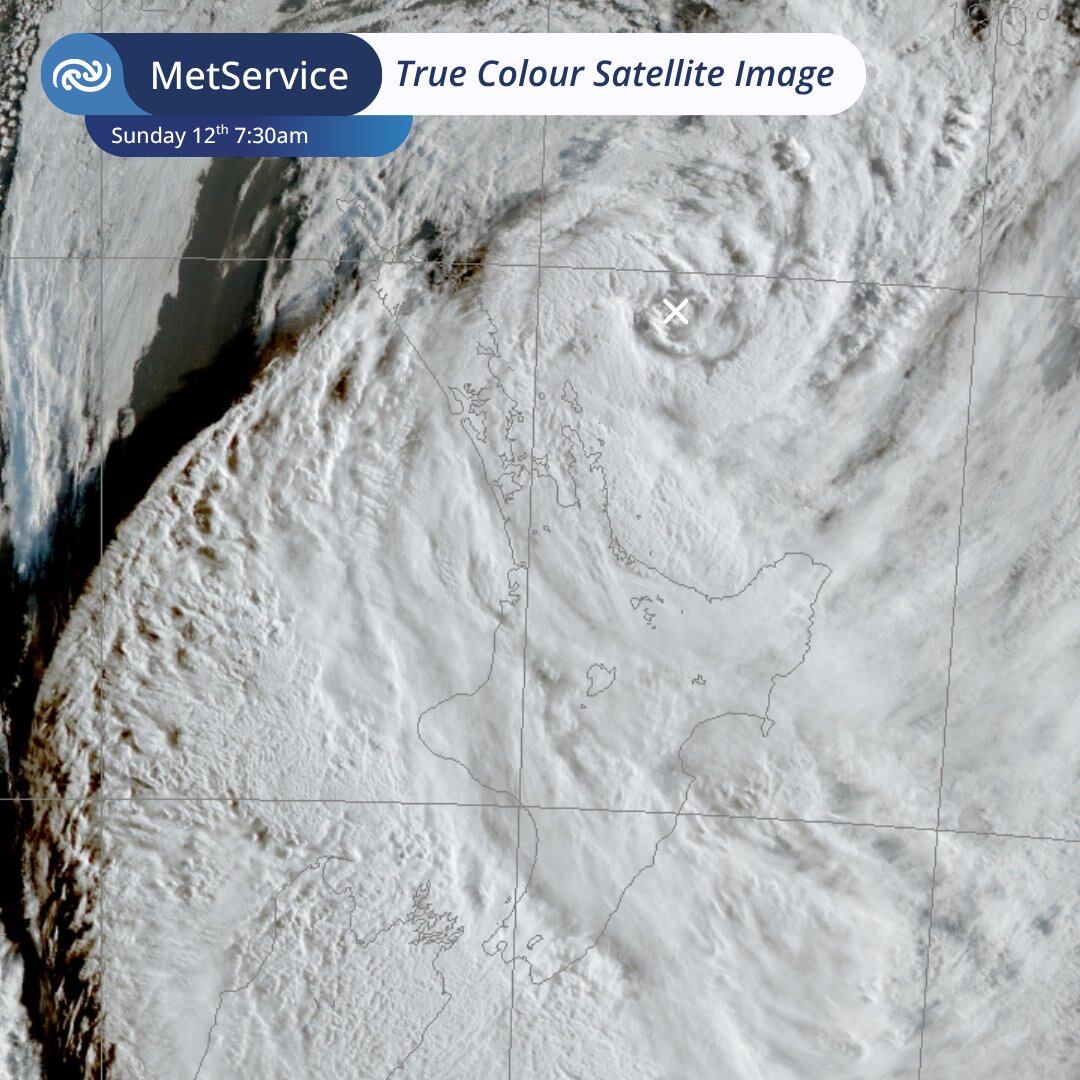
Satellite imagery showing the centre of Cyclone Vaianu (marked with a white x) visible to the northeast of the country and moving quickly south on Sunday April 12, 2026. Photo / MetService
AREC teams throughout the country were also monitoring high-frequency (HF) radio networks during the cyclone, creating a nationwide safety net in case communications failed entirely.
The Tauranga group said the opportunity to support Tairāwhiti was rewarding and eye-opening – and they hope it’s just the beginning.
“We’d love to see a stronger network set up across the Bay of Plenty,” Watson said. “If every small community hub had reliable radio communications, they wouldn’t be isolated in a disaster. They could still reach out, get help, and let family know they’re safe.”
Despite the technical nature of radio communications, Watson said people might be surprised at how easy it was to get involved.
“You don’t have to be a ‘radio nerd’ or have any prior experience,” she said. “If you can listen and take notes, we can teach you what you need to know – often in just a couple of training sessions.”
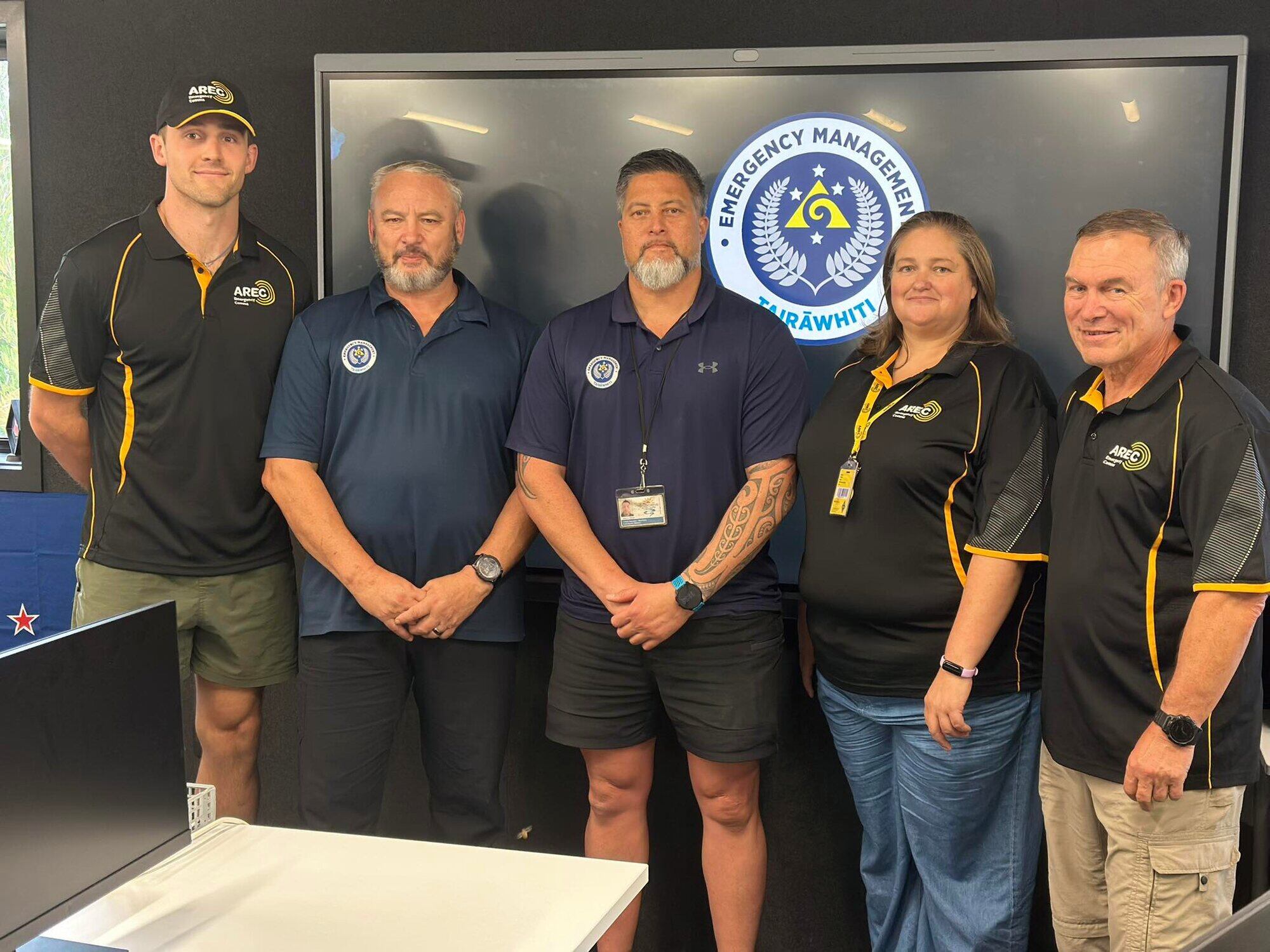
Tauranga AREC member Connor Bell with Ben Green and Marcus Tibble from Tairāwhiti Emergency Management, and Tauranga AREC members Joanne Watson and Ian Hendry. Photo / Supplied
Volunteers don’t need to buy their own equipment, and many are drawn simply by a desire to help their community.
“It’s about being part of something that makes a real difference when it matters most,” Watson said.
As extreme weather becomes more frequent, the need for resilient communication systems - and the people who operate them – is only growing.
For AREC Tauranga, the message is simple – more volunteers mean stronger communities.
“We’re always looking for new people,” Watson said. “You never know when your skills might be the link that keeps someone connected.”
To get involved, email: gltaurangaecg@arec.nzor or visit: https://arec.nz or: