
So here is my stand: What you choose to eat is the single most important decision you make every day and should be taken seriously. That said, it should be a fun and exciting part of your life and really doesn't have to be hard.
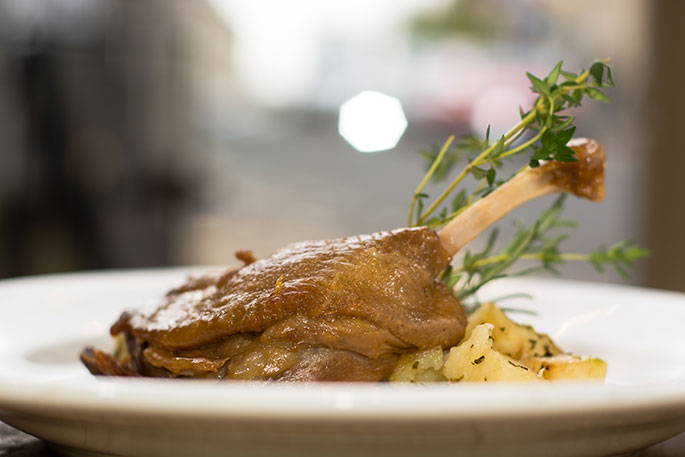
There's something wonderful about this dish, it's not just that it tastes fantastic and looks great, but the fact it highlights the history of food and more importantly that cooks are the true scientists and heroes of the human race. A bold statement I know but, bear with me a while and I'll explain.
In the late 19th Century Louis Pasteur – the man who also brought us safe milk and beer –explained the problem of bacteria and started the science of microbiology, groundbreaking stuff I'm sure you'll agree.
The thing is the cooks of France had found the answer a few hundred years earlier; they just didn't bother to name it. Bacteria has always been the sworn enemy of the cook for the food spoilage it can cause. And when we go back to the times before refrigeration this problem was way worse. The big question was how to make food last longer? The cooks realised there was something getting on to the food that made it spoil and boiling it for a set time would sterilise it.
All good, but unfortunately when the air came back in contact with the food it was reinfected, so the simple cooks' answer was to keep the food covered and only uncover at the time of eating. Job done and only a few hundred years before science caught up.
 |
I can only imagine how many unwanted relatives were sacrificed on the taste-testing altar to work this out.
Thankfully, work it out they did and now we can enjoy this unbelievable taste.
So follow the recipe and while you're eating it just take a moment to reflect on the history of our food.
Just remember – if you make confit of duck for a dinner party make more than you need, the spares will keep in a box covered with duck fat in the fridge for weeks and will be there for that surprise occasion.
Duck legs are widely available in the Bay with my favourite being Quack a Duck from Cambridge – admittedly mostly because the name makes me smile but also because they are very good.
Duck or goose fat is slightly harder to find and usually comes in tins, try Nosh or Culinary Council.
The rest of the ingredients will be in every supermarket, your pantry and garden.
Confit of duck with braised butter beans
Serves 10
10 duck legs, marinated
Marinade for confit:
A few sprigs fresh thyme
2 bay leaves
12 fresh basil leaves
20 black peppercorns
2 cloves garlic, chopped
4 shallots, chopped
3cm fresh root ginger, peeled and grated
20ml Worcestershire sauce
20ml soy sauce
20ml balsamic vinegar
30ml white wine vinegar
30ml The Grove horopito infused Avocado oil
2 Tbsp sea salt
2-3kg goose or duck fat to cover
75ml clear honey
Method
Mix all marinade ingredients together and marinate duck legs for up to three-four days.
Melt fat in a deep tray. Add marinated meat and cook in a pre-heated oven at 170 degrees Celsius for two hours. Check the legs are cooked, then allow to cool in the fat. At this stage, the confit will last weeks in the fridge, if kept covered in fat, ensuring a total air seal forms. When needed, simply remove from fat and cook under a high grill for about eight-10 minutes, or until the skin goes crispy.
Braised butter beans
Serves 10
2 onions, chopped
4 rashers smoked bacon, cut into strips
2 Tbsp Avocado oil
2 Tbsp unsalted butter
2 cloves garlic, crushed
16 fresh basil leaves, chopped
2 bay leaves
300g dried butter beans
1-2 litres chicken stock
4 Roma tomatoes, skinned, deseeded and diced
Seasoning
Method
Sweat the onions and bacon in the olive oil and butter for a few minutes, then add the basil, bay leaves, garlic and butter beans. Cover with 1.25 litres stock and bring to the boil. Cover and cook in a pre-heated oven at 180 degrees Celsius for 1-1.5 hours until the beans are tender and have created a thick sauce. You may need to add a little more stock during the cooking process. Add tomatoes, season and serve with duck legs.