
 |
Write Space Literary news, views and reviews http://taurangawriters.org.nz |
Graham Greene called Our Man in Havana an entertainment to differentiate it from his more serious works. Yet I much preferred his central character, a vacuum cleaner salesman cum bogus spy, to the damaged misfits of Brighton Rock, The Power and the Glory and The Man Within. These stories were beautifully crafted, delving deep into tormented souls. But did they have to be so bleak? I want to be engaged by what I read, not plunged into a pit of despair. Others feel like this too, as Thomas Hardy discovered from reactions to Jude the Obscure.
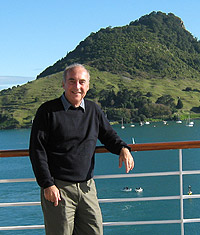 This week's Write Space by Ian Clarke. |
Serious writers sometimes turn to fiction. Deborah Harkness, author of A Discovery of Witches1 explains, ‘Academics like to have fun, too.' Academics are constrained by their disciplines. Palaeontologists, for instance, piece together shards of bone to reconstruct skeletons of prehistoric beings. These they measure, classify, give Latin names, and make conjectures about what our predecessors could have been like. They are bound by rules intended to ensure that other researchers, using the same material, reach the same conclusions.
Fiction writers are bound only by self-imposed constraints. If so inclined they can let their imaginations soar. The result is a wonderful array of literature: fantasy, thrillers, romance, introspective novels and deep, meaningful drama. While palaeontologists lay bare our ancestors' bones, story-tellers give them flesh, sensations, memories and emotions. The earliest humans, huddled in caves, probably spun each other yarns to get them through the long scary nights. Story-telling might have been a survival mechanism: tales of valour to inspire an attack on a great woolly mammoth. My guess is, in their tales at least, the mammoth always came off second best.
No longer are we satisfied with simple tales of overcoming monsters. Readers want to be informed, inspired, challenged; all of which might help them thrive in the modern world. We know no one lives happily ever after: there's a hoodie with a scythe and a job to do. But there are different ways of depicting this. Some years ago I watched the film Waking Ned Devine. Afterwards, I couldn't help noticing the cinema attendants smiling and glancing at the departing theatre-goers. I saw what they were looking at: everyone grinning from ear to ear. The film had ended with Ned's funeral and a wheelchair-bound woman being hurled to oblivion. Yet it was uplifting!